
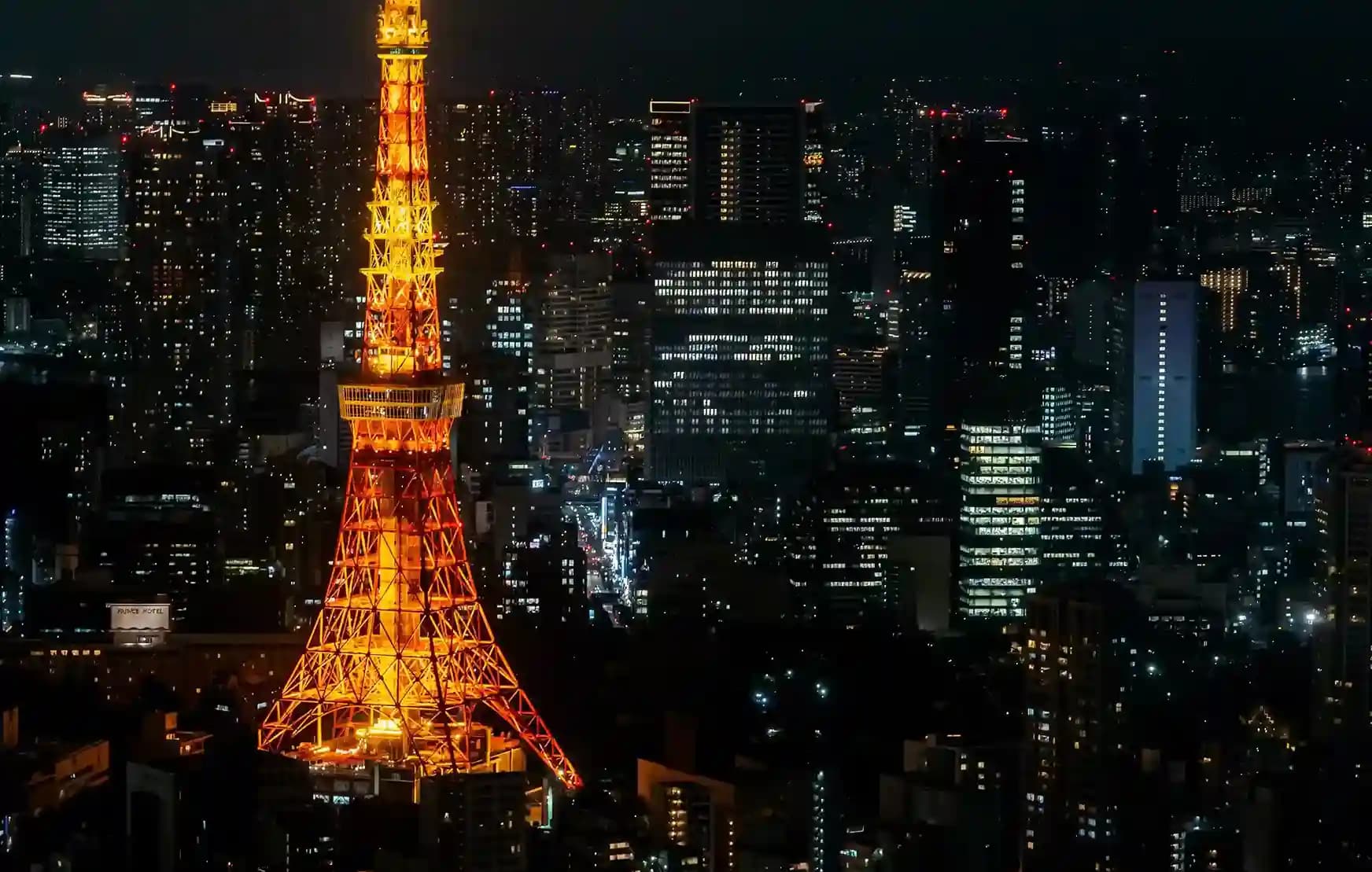
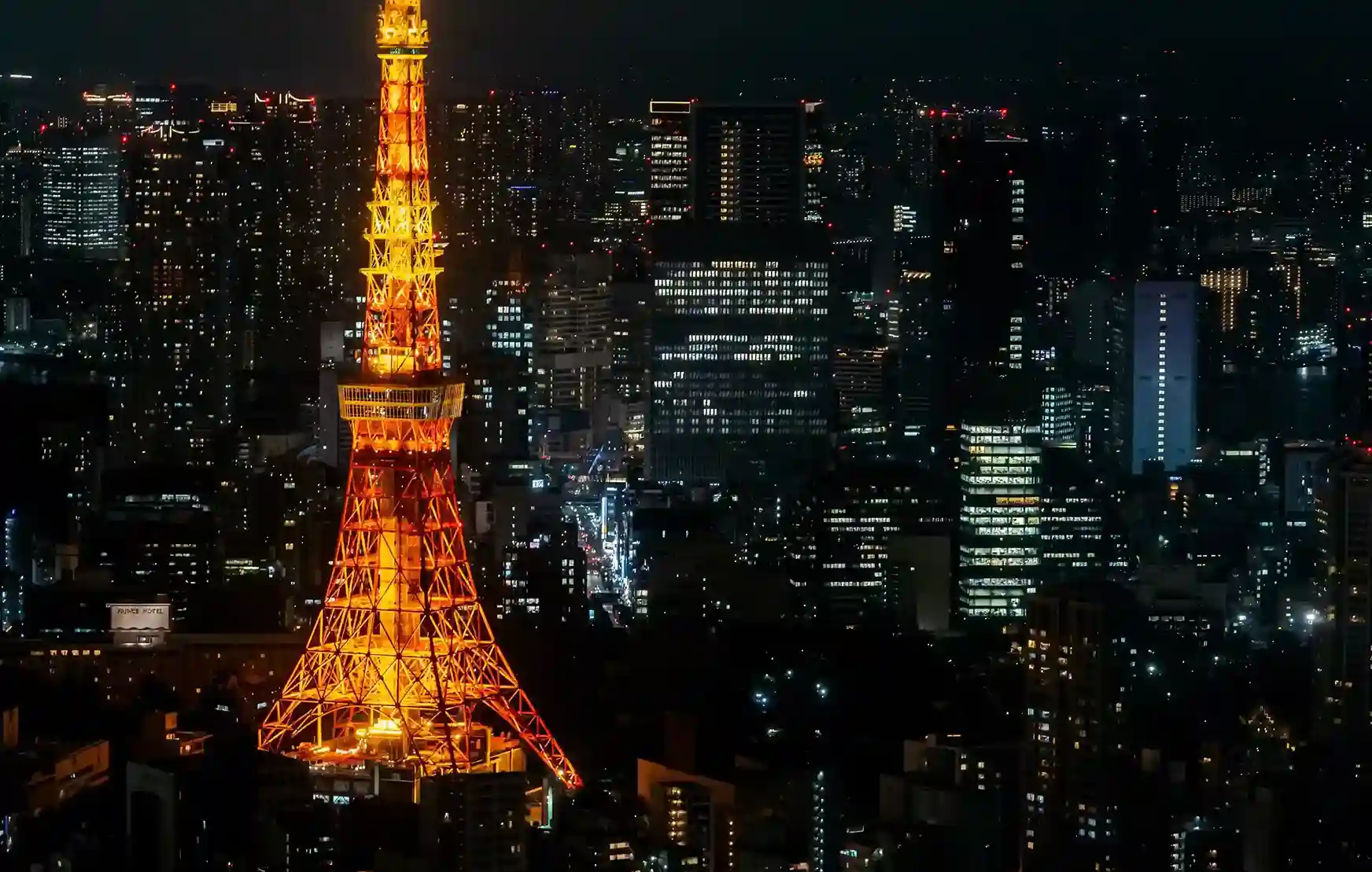
Tokyo rarely feels like one destination.
One neighbourhood gives you centuries-old temples and traditional shopping streets. Another has giant digital billboards, fashion stores and some of the busiest pedestrian crossings in the world. A short train ride can take you from a quiet shrine surrounded by forest to an anime district or a skyline observation deck.
For first-time visitors, the number of things to do in Tokyo can make planning slightly difficult. The useful approach is to group attractions by area and give yourself enough time to experience the city rather than spending the entire trip changing train lines.
This guide covers Tokyo’s major landmarks, historic districts, shopping areas, food experiences, nightlife and easy day trips.
Also Read: Travel Tips for Indians Visiting Japan for the First TimeTop Things to Do in Tokyo for First-Time Visitors
If this is your first visit, start with a mix of old and modern Tokyo.
A practical list includes:
- Senso-ji Temple and Asakusa
- Tokyo Skytree
- Shibuya Crossing
- Meiji Shrine
- Harajuku
- Ginza
- Akihabara
- Ueno Park
- Shinjuku at night
- A day trip outside the city
Tokyo’s official tourism guide recommends at least several days to cover the main neighbourhoods properly. Its current five-day itinerary groups Asakusa and Tokyo Skytree together, central Tokyo and Ginza on another day, and Harajuku, Meiji Shrine and Shibuya across the western side of the city.
That grouping makes sense because Tokyo is enormous. Attractions may look close on a map while still involving multiple trains and a fair amount of walking.
Explore Tokyo’s Historic Temples and Shrines
Tokyo’s modern skyline tends to dominate travel photos, but some of the city’s most important places are temples and shrines.
Senso-ji in Asakusa is Tokyo’s oldest temple and remains one of the city’s major cultural landmarks. Meiji Shrine provides a very different experience, surrounded by woodland between Harajuku and Shibuya.
You can also explore smaller shrines and temple districts around Ueno, Yanaka, Nezu and Kagurazaka.
When visiting religious sites:
- Dress respectfully
- Follow signs regarding photography
- Avoid blocking worshippers
- Learn basic purification etiquette where provided
- Keep voices low in prayer areas
The contrast between these spaces and Tokyo’s commercial districts is part of what makes the city interesting.
Visit the Iconic Tokyo Skytree
Tokyo Skytree rises 634 metres above the city and is one of Tokyo’s most recognisable landmarks.
Its Tembo Deck sits at 350 metres, while the Tembo Galleria continues up to around 450 metres. Both provide broad views across Tokyo, and Mount Fuji may be visible in clear weather.
The best time depends on what you want to see.
Visit during the day for clearer views of the city’s scale. Go around sunset to watch the skyline change from daylight to evening. At night, Tokyo stretches into what appears to be an endless field of lights.
Online booking is useful because ticket prices and availability can vary by date. Current official pricing starts from around ¥1,800 for the 350-metre deck and ¥3,000 for the combined 350- and 450-metre experience for adults.
Experience the Energy of Shibuya Crossing
Shibuya Crossing is one of the most recognisable urban scenes in Tokyo.
When the traffic lights stop vehicles, pedestrians move across the intersection from several directions at once. The crossing itself takes only a few minutes, but the surrounding neighbourhood deserves considerably more time.
Around Shibuya, you can explore:
- Shibuya Center-gai
- Department stores
- Fashion shops
- Cafés
- Restaurants
- Observation points
- Nightlife areas
Tokyo’s official tourism guide places Shibuya at the centre of modern youth culture and describes the crossing as one of the city’s defining urban scenes.
Visit once during the day and again after dark if your itinerary allows. The district feels different once the signs and screens light up.
Discover the Charm of Asakusa and Senso-ji Temple
Asakusa gives first-time visitors one of the clearest introductions to traditional Tokyo.
Walk through Kaminarimon, the large Thunder Gate, then continue along Nakamise shopping street towards Senso-ji Temple. The route is lined with shops selling sweets, crafts and souvenirs.
The surrounding area is worth exploring beyond the main temple approach.
You can walk towards the Sumida River, visit Asakusa Shrine, explore traditional side streets or take a waterbus towards another part of Tokyo.
Tokyo’s official tourism guide also recommends visiting Asakusa at night, when Senso-ji is illuminated and the crowds can be lighter than during daytime.
Wander Through the Streets of Harajuku
Harajuku is closely associated with youth fashion, street culture and Tokyo’s kawaii aesthetic.
Takeshita Street provides the busiest introduction, with fashion stores, snack shops and colourful retail spaces. Nearby Omotesando shifts the atmosphere towards contemporary architecture and higher-end shopping.
Harajuku also sits next to Meiji Shrine and Yoyogi Park, making the area easy to combine into one half-day itinerary.
The official Tokyo tourism guide describes Harajuku as a centre of kawaii culture while also highlighting its proximity to Omotesando, Meiji Shrine and Yoyogi Park.
Go earlier in the morning if you want quieter streets. Visit later if the crowds are part of what you came to see.
Enjoy the Beauty of Meiji Shrine
Meiji Shrine sits within a large forested area near Harajuku Station.
The shrine honours Emperor Meiji and Empress Shoken and is surrounded by approximately 70 hectares of woodland created using around 100,000 donated trees.
The approach through the forest provides a marked change from nearby Harajuku and Shibuya.
Walk through the large torii gates, follow the forest paths and spend some time around the main shrine buildings. Depending on the day, you may also see traditional ceremonies or weddings.
The shrine is free to enter, while some garden areas may have separate admission arrangements.
Shop Till You Drop in Ginza
Ginza is one of Tokyo’s best-known shopping districts.
The area combines major international brands, Japanese department stores, jewellery, stationery, food halls and smaller specialist shops.
Even if shopping is not your main interest, Ginza is worth visiting for its architecture, department-store basements and evening streets.
Tokyo’s official tourism itinerary describes Ginza as one of the city’s major retail centres, combining long-established department stores with smaller boutiques and restaurants.
Food halls inside department stores are particularly useful if you want to browse Japanese sweets, prepared foods and beautifully packaged gifts without organising a formal restaurant meal.
Experience Tokyo’s Vibrant Food Scene
Trying local food belongs near the top of any list of things to do in Tokyo Japan.
Tokyo’s dining scene covers everything from standing noodle counters to highly formal restaurants.
Start with:
- Sushi
- Ramen
- Tempura
- Yakitori
- Soba
- Udon
- Tonkatsu
- Okonomiyaki
- Japanese curry
- Wagashi sweets
You do not need to spend heavily to eat well.
Train stations, shopping centres and neighbourhood streets contain countless small restaurants. Convenience stores are also useful for breakfast, snacks and quick meals.
Tsukiji’s outer market remains a popular place for seafood and food stalls, while areas such as Shinjuku, Ueno and Yurakucho offer izakaya dining.
A tightly scheduled Tokyo trip should still leave room for unplanned food stops. Some of the city’s better meals begin because you noticed six people waiting outside a restaurant with twelve seats.
Discover Tokyo’s Anime and Pop Culture
Anime and manga fans should include Akihabara.
The district is known for:
- Anime stores
- Manga
- Collectibles
- Electronics
- Gaming
- Character merchandise
- Themed cafés
Tokyo’s official tourism itineraries identify Akihabara as one of the main centres of the city’s otaku and electronics culture.
Other pop-culture areas include Ikebukuro and parts of Nakano.
Allow enough luggage space if shopping is part of the plan. Tokyo merchandise has an unusual ability to seem very small until everything needs to fit into one suitcase.
Relax in Tokyo’s Parks and Gardens
Tokyo contains far more green space than its skyline suggests.
Good options include:
Ueno Park: Useful for museums, seasonal cherry blossoms and combining culture with outdoor space.
Yoyogi Park: Convenient when visiting Harajuku and Meiji Shrine.
Hamarikyu Gardens: A landscaped garden that reflects Tokyo’s Edo-period history.
Shinjuku Gyoen: Popular for seasonal flowers and a quieter break from central Tokyo.
Tokyo’s official tourism guide highlights gardens and parks across the city as places to see seasonal flowers and escape denser urban districts.
Take a Day Trip from Tokyo
Tokyo also works as a base for several day trips.
Mount Fuji and Hakone
Visit for mountain scenery, hot springs and views of Mount Fuji when weather conditions cooperate.
Kamakura
Kamakura combines temples, shrines, coastal scenery and the Great Buddha.
Nikko
Nikko is known for ornate shrines, forest landscapes and historic religious sites.
Yokohama
Yokohama offers waterfront areas, museums and Chinatown within easy reach of Tokyo.
Kawagoe
Kawagoe preserves historic streets and warehouse-style buildings and works well for travellers who want a shorter trip outside central Tokyo.
If your schedule is only three days, stay in Tokyo. For five days or longer, a day trip becomes much easier to justify.
Best Things to Do in Tokyo at Night
Tokyo changes substantially after dark.
Good evening experiences include:
- Viewing Shibuya Crossing illuminated at night
- Exploring Shinjuku
- Visiting Tokyo Skytree after sunset
- Eating at an izakaya
- Walking around Asakusa after the daytime crowds thin
- Seeing Tokyo Station and Marunouchi illuminated
- Visiting observation decks
- Exploring late-night food districts
Shinjuku works particularly well for nightlife, while Asakusa gives you a quieter evening atmosphere.
Tokyo Skytree is another strong night option because its observation decks provide wide views over the illuminated city.
Unique Experiences to Add to Your Tokyo Itinerary
Once the major attractions are covered, add one or two experiences that make the itinerary more personal.
Consider:
- Taking a traditional tea experience
- Renting a kimono in Asakusa
- Joining a sushi-making class
- Watching sumo-related activities where available
- Visiting a digital art museum
- Exploring small neighbourhoods such as Yanaka
- Taking a Sumida River cruise
- Visiting a sento or spa
- Shopping at a depachika food hall
- Exploring Tokyo by bicycle in quieter districts
The official Tokyo tourism site also suggests neighbourhood walks, architecture routes and waterfront trips for travellers who want experiences beyond the best-known landmarks.
How Many Days Do You Need in Tokyo?
Three days gives you enough time for the main highlights.
Five days is better for a first visit because it lets you explore Tokyo by neighbourhood instead of rushing between distant attractions. Tokyo’s official tourism guide currently recommends around five days for seeing the main areas without excessive rushing.
A simple structure could be:
Day 1: Asakusa + Tokyo Skytree
Day 2: Shibuya + Harajuku + Meiji Shrine
Day 3: Ueno + Akihabara + Ginza
Day 4: Shinjuku + parks + food experiences
Day 5: Day trip or additional neighbourhoods
Travellers choosing a Japan tour package should check how many full Tokyo sightseeing days are actually included rather than counting arrival and departure dates as complete city days.
Best Time to Visit Tokyo
Tokyo can be visited year-round.
Spring is popular for cherry blossoms and mild weather. Autumn brings cooler conditions and seasonal foliage. Summer is hotter and more humid, while winter is generally cooler and often provides clear skies.
The best period therefore depends on what you want to experience.
For cherry blossoms, timing varies from year to year and should be checked close to travel. Autumn colours also depend on seasonal conditions.
Peak periods can mean higher hotel prices and larger crowds, particularly around major holidays and blossom season.
Final Thoughts
The best things to do in Tokyo come from combining different sides of the city.
Spend one morning among Asakusa’s temples, another afternoon in Harajuku, an evening under Shibuya’s lights and some quiet time in a park or shrine.
Tokyo rewards neighbourhood-based planning. Trying to see every famous attraction in two days mainly produces an advanced understanding of the railway system.
Choose the places that match your interests, leave room for food and wandering, and give the city enough time.
If you are comparing a Japan tour package, look for an itinerary that balances major attractions with free time. Tokyo tends to be most memorable in the hours that were not completely scheduled.
FAQ
What are the best things to do in Tokyo for first-time visitors?
Visit Senso-ji and Asakusa, Shibuya Crossing, Meiji Shrine, Harajuku, Tokyo Skytree, Ginza and Akihabara. Add at least one park, local food experience and evening district.
How many days do you need to explore Tokyo?
Around five days works well for first-time visitors who want to cover the main neighbourhoods without rushing. Three days can cover the major highlights if the itinerary is organised geographically.
What are the must-visit places in Tokyo?
Senso-ji Temple, Meiji Shrine, Shibuya, Asakusa, Tokyo Skytree, Harajuku, Ginza, Ueno and Akihabara are practical choices for a first visit.
What unique experiences should you try in Tokyo?
Try a tea experience, kimono rental, river cruise, Japanese cooking class, digital art experience or a walk through smaller neighbourhoods such as Yanaka.
What is the best time to visit Tokyo?
Spring and autumn are popular because of seasonal scenery and generally comfortable sightseeing conditions. Winter suits travellers who prefer cooler temperatures, while summer brings warmer and more humid weather.