
© 2026 Go Kite Travel & Tours. All rights reserved.
Travel Tips for Indians Visiting Japan for the First Time
Japan Travel Tips for Indians: First-time essentials visas, transport, etiquette, money and top sights for a smooth, memorable trip.
 Last updated: 11 August 2026
Japan is a paradise for most Indian tourists, a place where olden-day traditions are blended with new state-of-the-art technology. Within the temples of serene Kyoto, the famous bullet train in Tokyo, or the spectacular view of Mount Fuji, Japan will not disappoint you with a culture, comfort, and adventure that go hand in hand. To make the arrangements of traveling to Japan a smooth sail, there is a need to apply for a Japan visa well in advance to avoid any hassles and a stressful trip. For a seamless experience, consider following Japan travel tips for Indians to make your journey even more enjoyable.
The most fascinating aspect of Japan to Indian tourists is the impressive cultural relationship between the two countries. Indian travelers are immediately at home because both societies do value respect, discipline, spirituality, and family values. The old world mixes with the modern world with Japan having flawless infrastructure, unparalleled cleanliness and cuisine that is recognized globally. These Japan travel tips for Indians will guide you to spend quality time in the Land of the Rising Sun in case it is your first visit to Japan.
Essential Japan Travel Tips for First-Time Indian Visitors
Preparing for Your Japan Trip
Essential Documents and Travel Requirements
Before your trip, you should have all the papers in place. Indian tourists require a valid visa and travel documents to have a hassle free entry.
Checklist:
- Valid Passport: You must have a valid passport with at least 6 months to your time of return.
- Visa Application: Apply with your Japan visa for Indians through Japan Embassy or its authorized VFS Global offices.
- Photographs: Recent passport-size photographs which have white background.
- Bank Statements: Recent 36 months of financial evidence.
- Income Proof: Slips of salary or ITR of the previous two years.
- Flight and Hotel Bookings: To have the visa approved, one should have the confirmed reservation.
- Travel Insurance: Emergency highly recommended.
- Itinerary: Provide information about where you are going.
- Emergency Contacts: Have emergency numbers of embassy and local emergency.
Booking Flights and Accommodation
After you have started with your visa procedure, you can now book flights and accommodation.
Flight Tips:
- Booking at least 2 -3 months ahead will guarantee better rates.
- Major airlines: Air India, Japan Airlines (JAL), ANA, Singapore Airlines and Cathay Pacific.
- Primary entry airports Tokyo (Narita/Haneda) and Osaka (Kansai).
- Compare with fares of Skyscanner or Google Flights.
Accommodation Tips:
- Luxury: Ritz-Carlton, Park Hyatt or Hilton.
- Middle-income: APA Hotels, Tokyu Stay or Daiwa Roynet.
- Budget: Hostel or capsule hotels of cheap accommodation.
- Conventional Stay: Have a Ryokan Japanese experience.
Understanding Japan's Culture and Etiquette
Greetings, Manners, and Daily Etiquette
The
- Always make a bow when greeting or thanks giving.
- Shoes should be taken off when walking into homes, temples or traditional inns.
- Do not talk loudly in the transportation.
- Give out the cash, cards or items using both hands as a sign of respect.
- Be on time - time keeping is a treasure in Japanese society.
Dining Etiquette Every Indian Traveler Should Know
The Japanese eating habits are very different as compared to those of the Indians. Keep these in mind:
- Do not keep chopsticks erect in your rice, it is a bad omen.
- Do not transfer food on one pair of chopsticks to another.
- Slurping noodles is acceptable it means that you like what you eat!
- Tipping is not common in Japan, and being served well is an experience.
Getting Around Japan
Navigating Public Transport
The transport system of Japan is one of the most efficient systems in the world.
- Buy Japan Rail (JR) unlimited pass to ride unlimited trains.
- Take IC cards such as Suica or Pasmo to the buses and metros.
- Get Google Maps or Japan Transit Planner to get the real-time route.
- The trains are very strict on time keeping.
- Buses are secure and well interconnected locally.
Staying Connected in Japan
Keep in touch during your trip with the following alternatives:
- Hire a Pocket Wi-Fi in the airport.
- Purchase a local SIM card (SoftBank, NTT Docomo or AU).
- Use free Wi-Fi in stations, cafes and convenience stores.
- Google translate or papago can be downloaded to help with languages.
Budgeting and Expenses
Average Daily Costs for Indian Travelers
Japan is a cost-effective country when planned.
- Budget traveler: 6,000 - 8,000/day
- Mid-range traveler: 10,000 - 15,000/day
- Luxury traveler: 20,000+/day
Includes meals, accommodation, and local travel.
Saving Money While Exploring Japan
- Dine at the convenience stores (7-Eleven, FamilyMart) to have a cheap meal.
- Purchase theme park packages.
- Buy regional rail passes when you are touring a single region.
- Visit hostels or business hotels on a short basis.
- Carry cash (yen) - smaller stores do not normally accept cards.
Must-Visit Places for First-Time Visitors
Top Cities to Explore
1. Tokyo
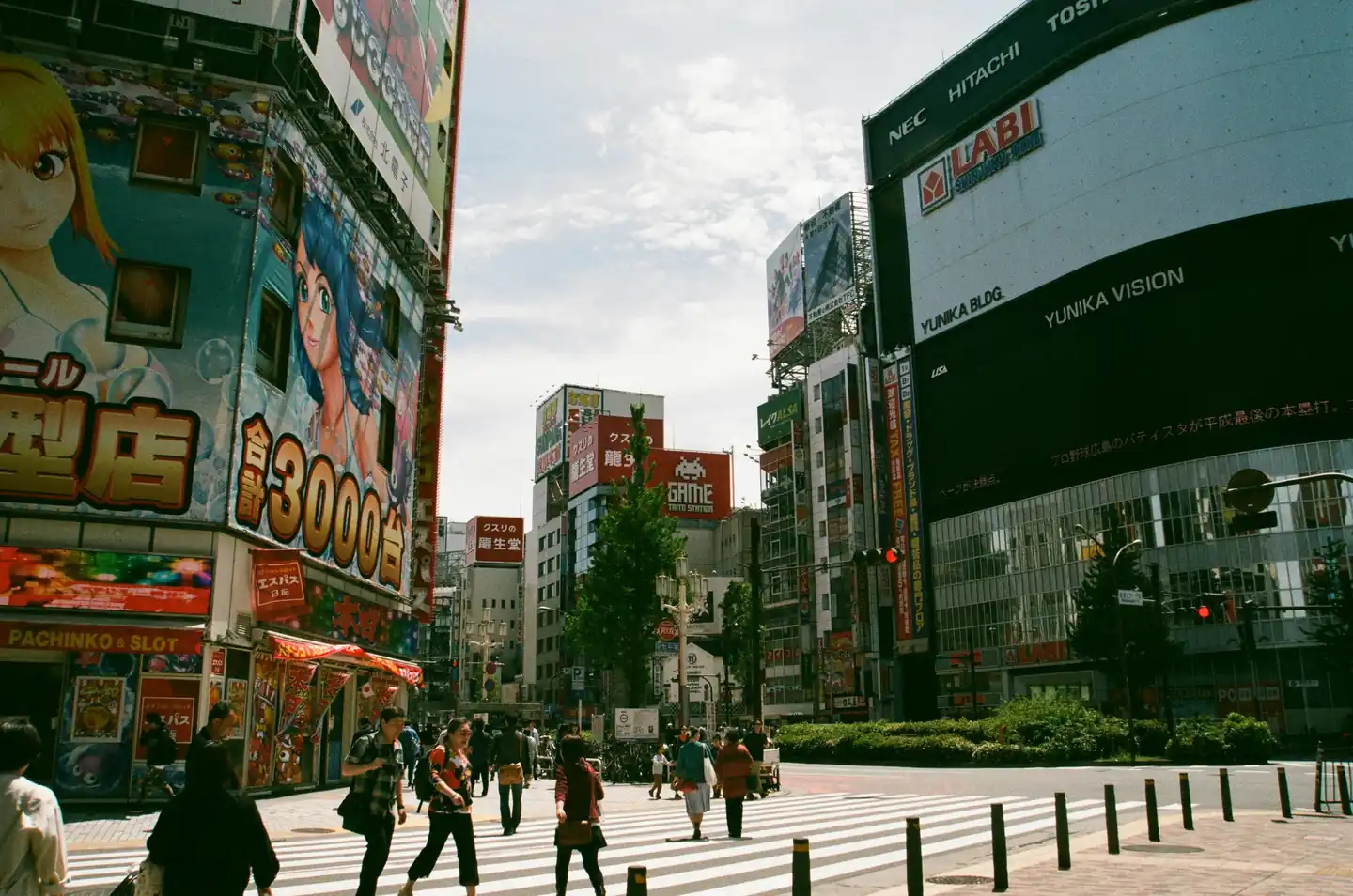
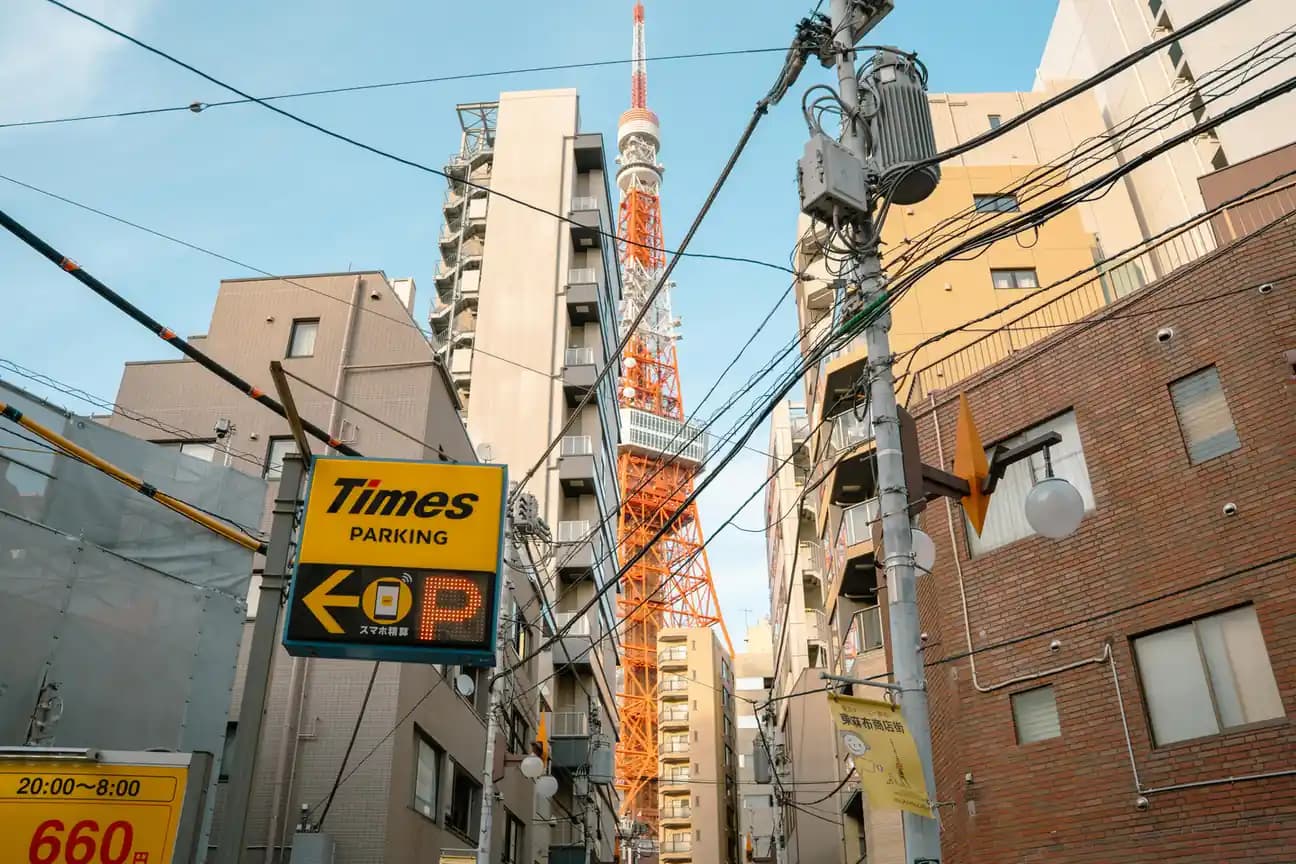
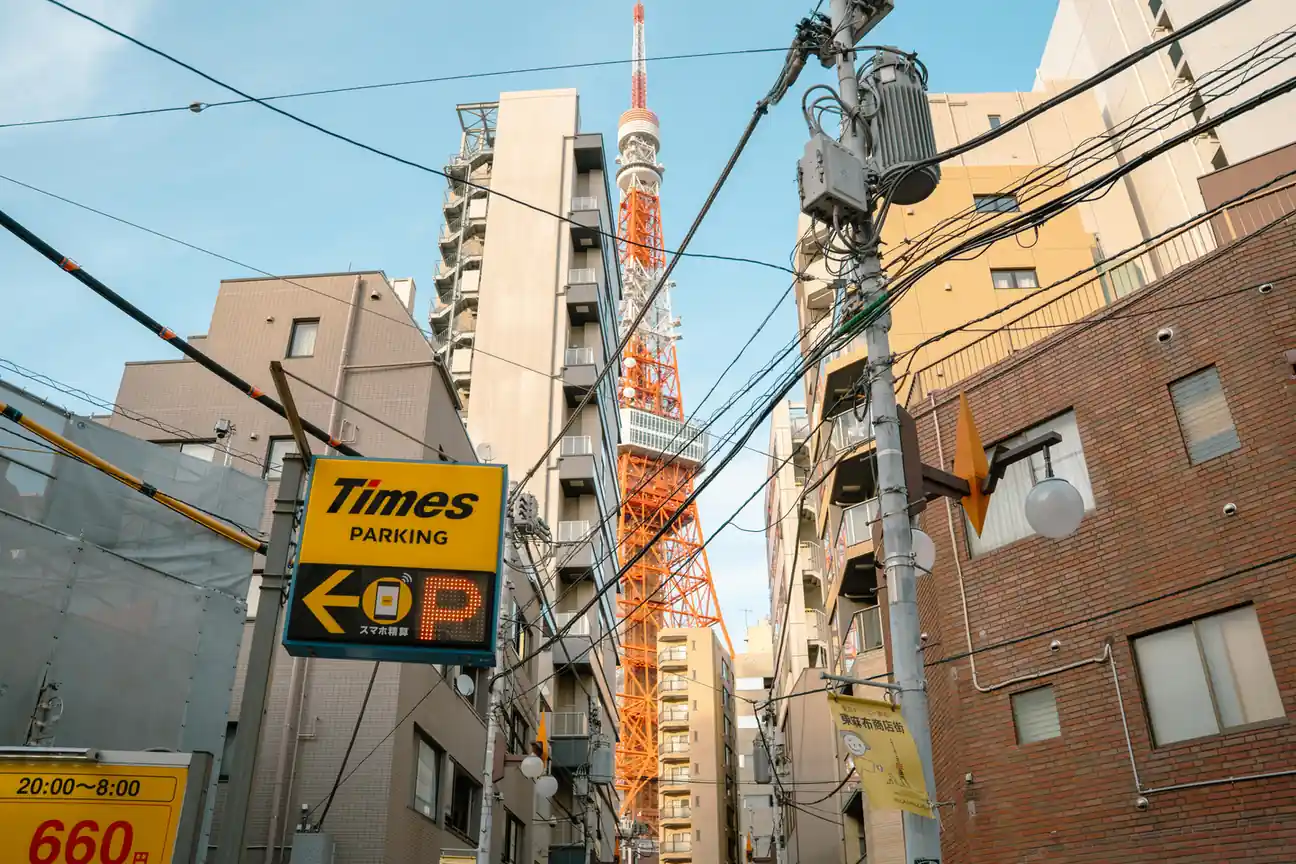
The vibrant capital of Japan, Tokyo, is a blend to be envied by both tradition and technology. Do not overlook Shibuya Crossing, Tokyo Tower and Akihabara. Visit old temples next to new high-rise buildings, eat sushi in Tsukiji Market, and get to know the glamour of nightlife in Tokyo that never sleeps.
2. Kyoto
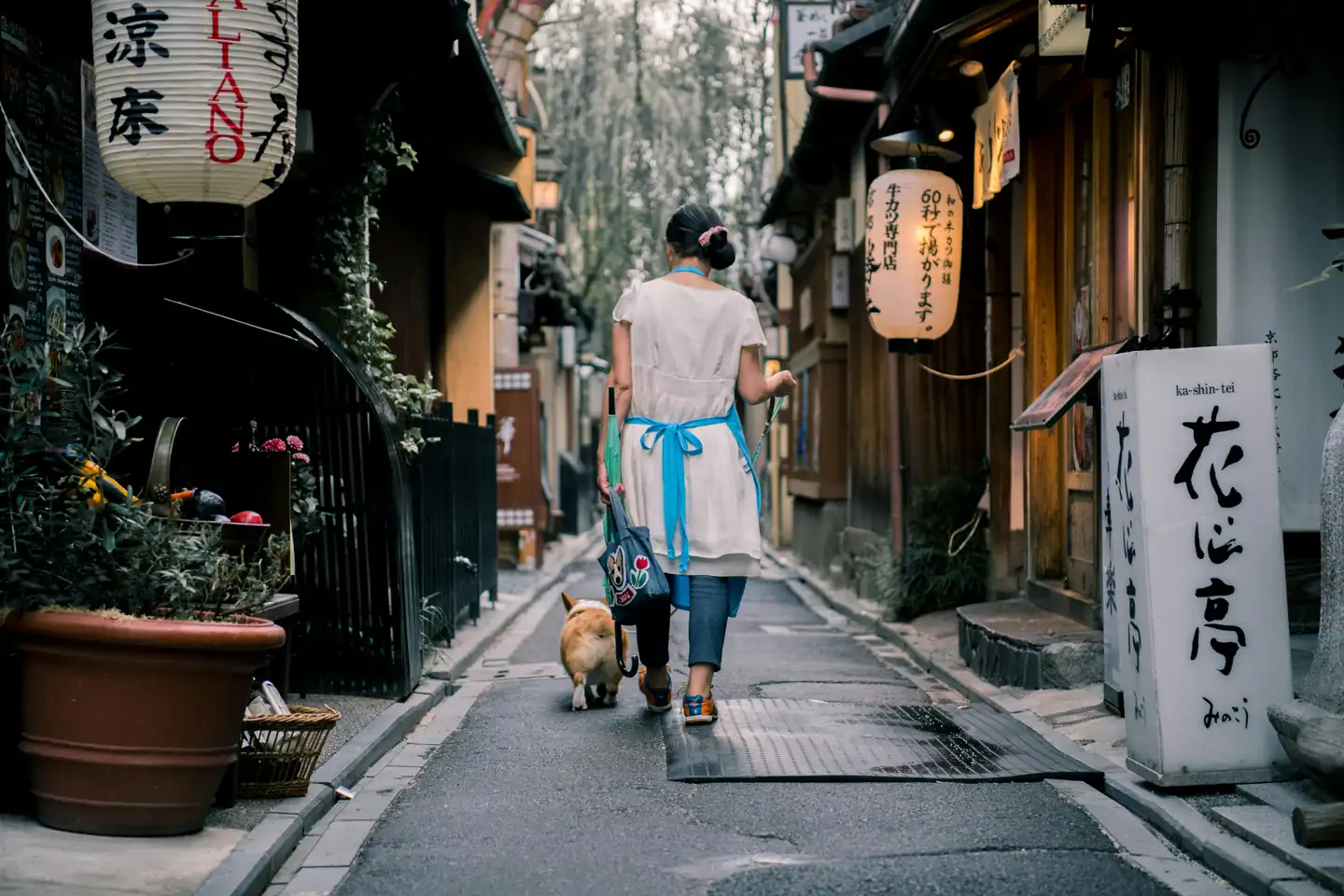
Kyoto the cultural center of Japan is full of beautiful temples, ancient shrines and geisha culture. Explore Visit Kinkaku-ji (Golden Pavilion), visit Arashiyama Bamboo Grove and join the traditional tea ceremony. The serene beauty of Kyoto is what makes it a necessary destination to individuals who want authenticity and history.
3. Osaka
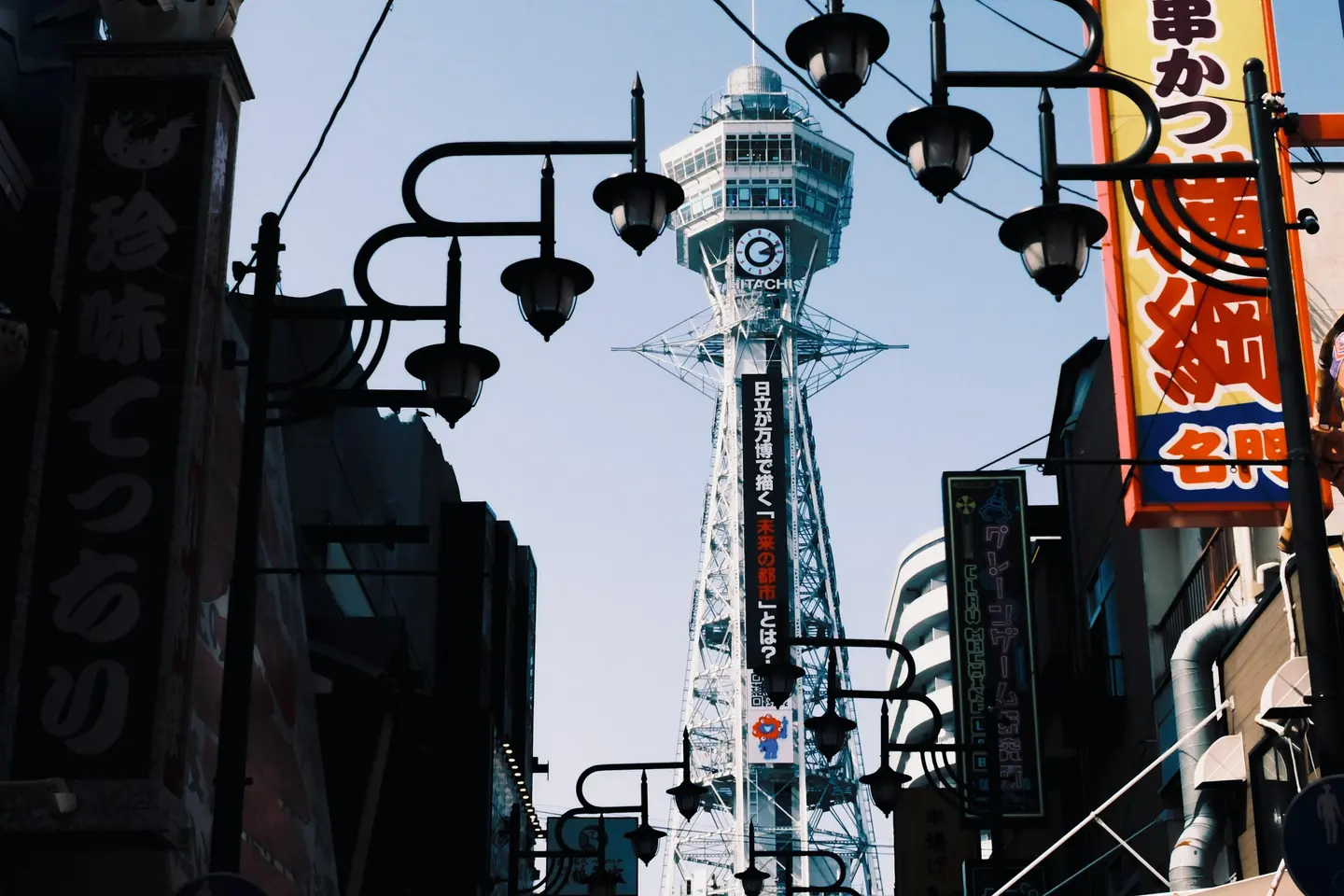
Osaka, referred to as the kitchen of Japan, is known to be home to street food, hospitable population, and vibrant energy. Explore Dotonbori Street, taste takoyaki and okonomiyaki, and spend the day in Universal Studios Japan. Osaka is an ideal combination of food tourism and entertainment in the city.
4. Hokkaido
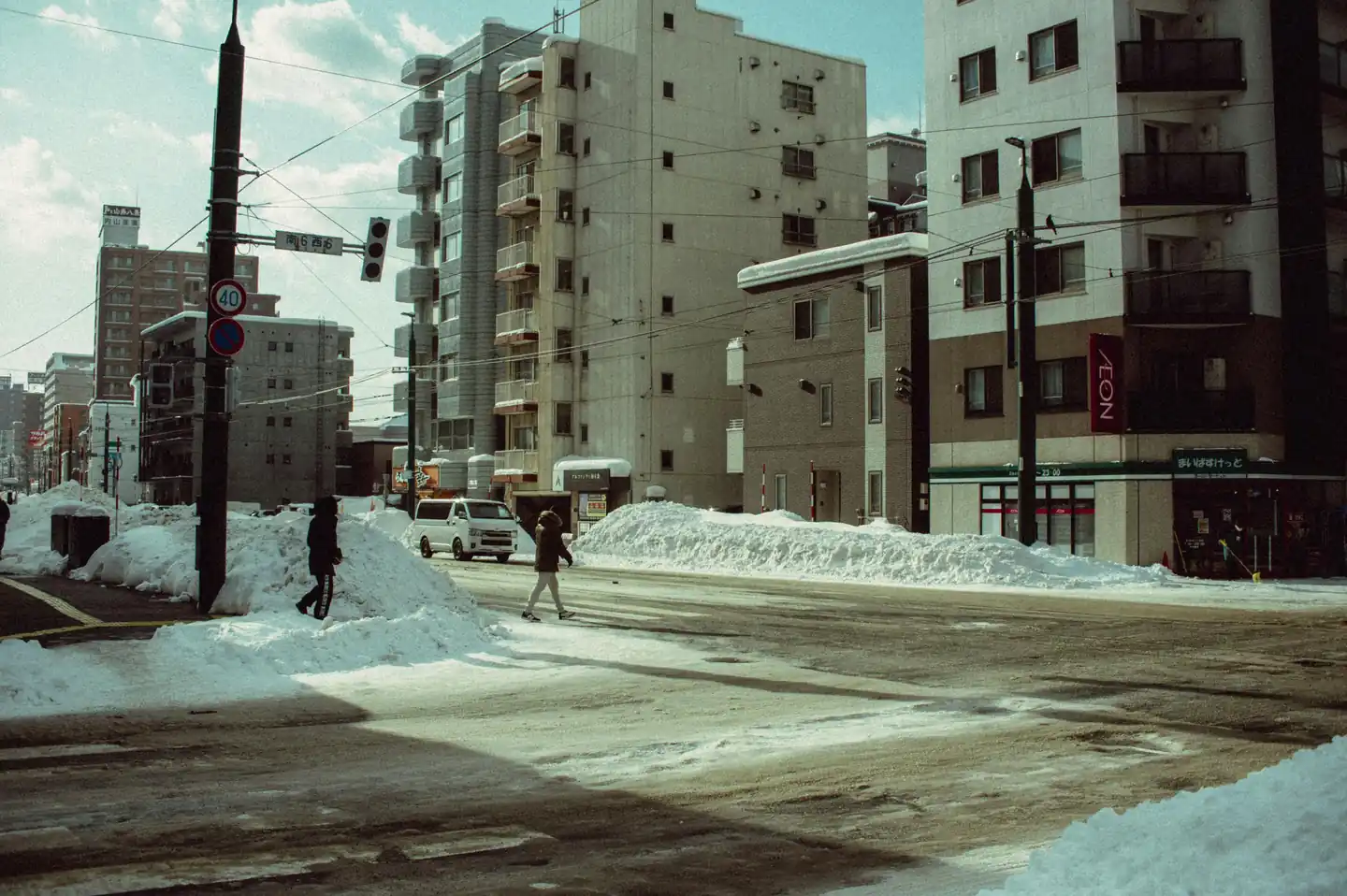
The Hokkaido Island to the north is a haven of nature and winter sports lovers. It is known as the home of the Sapporo Snow Festival, stunning national parks, hot springs and amazing seafood. Every season has its own beauty - the summer flowers and the snowy snow.
5. Hiroshima
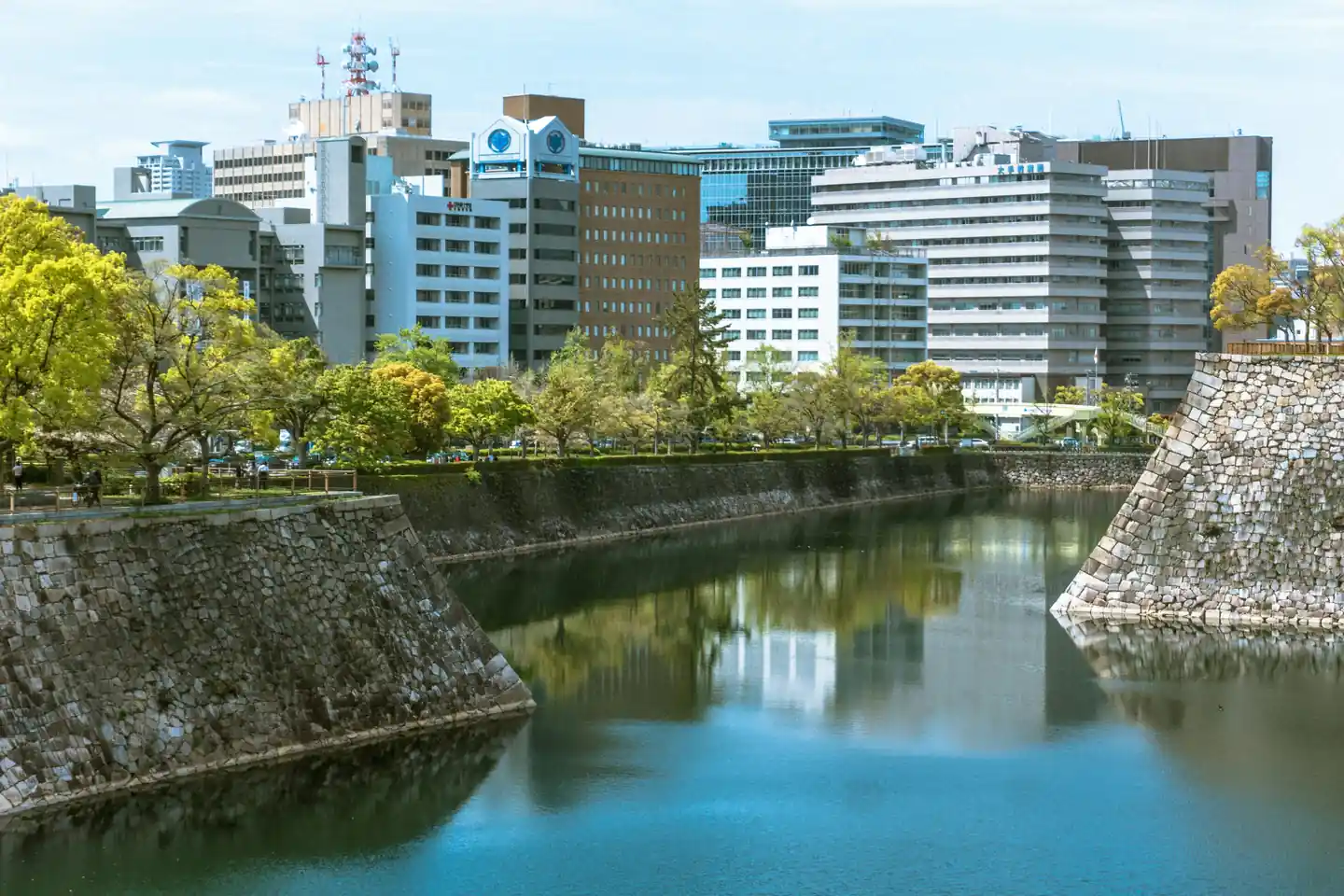
Hiroshima represents much historical value, a beacon of hope and strength. Pay a visit to the Peace Memorial Park, Atomic bomb dome and peace museum to pay tribute to the story of the city. Make a visit accompanied by a visit to the Miyajima Island to see the floating torii gate.
Hidden Gems off the Beaten Path
1. Nara
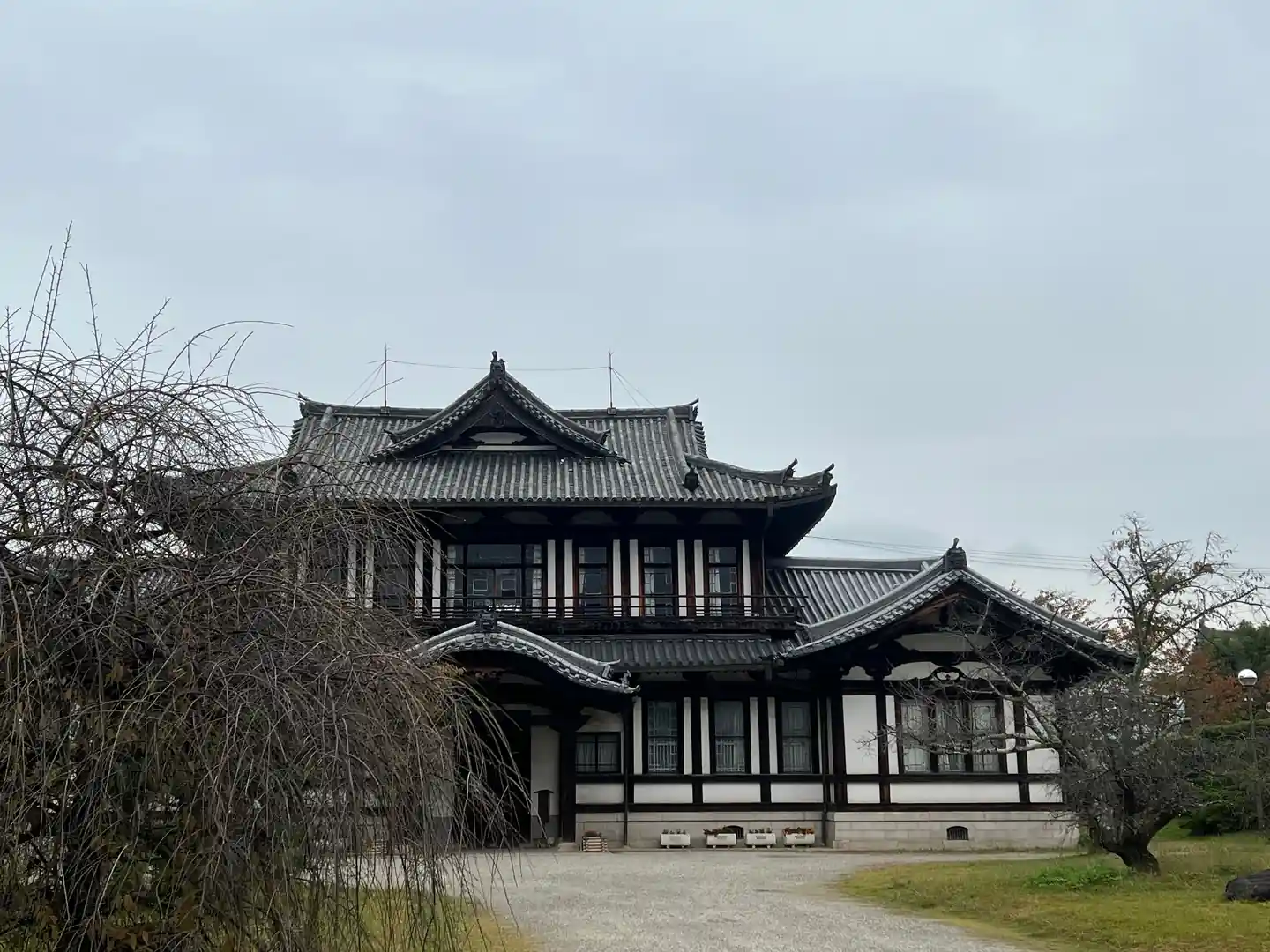
Nara is a tranquil and religious place to be, as it is home to the oldest temples in Japan and hundreds of free-roaming deer. Have a day trip to visit Todai-ji Temple and feed the holy deer at Nara Park and have an experience of history and natural beauty.
2. Kanazawa
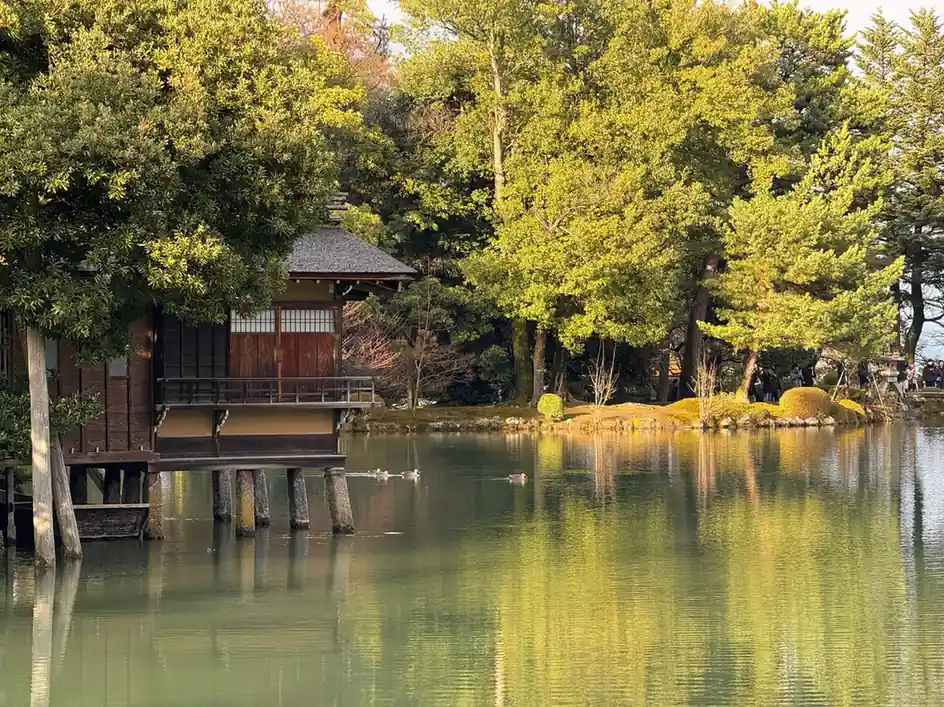
Kanazawa is commonly referred to as Little Kyoto due to its samurai quarters, art galleries, and Kenroku-en garden which is among the most beautiful in Japan. It is a nice, culturally-oriented getaway without the crowds of tourists that flock other tourist spots due to its beautiful streets and the well-maintained teahouses.
3. Hakone
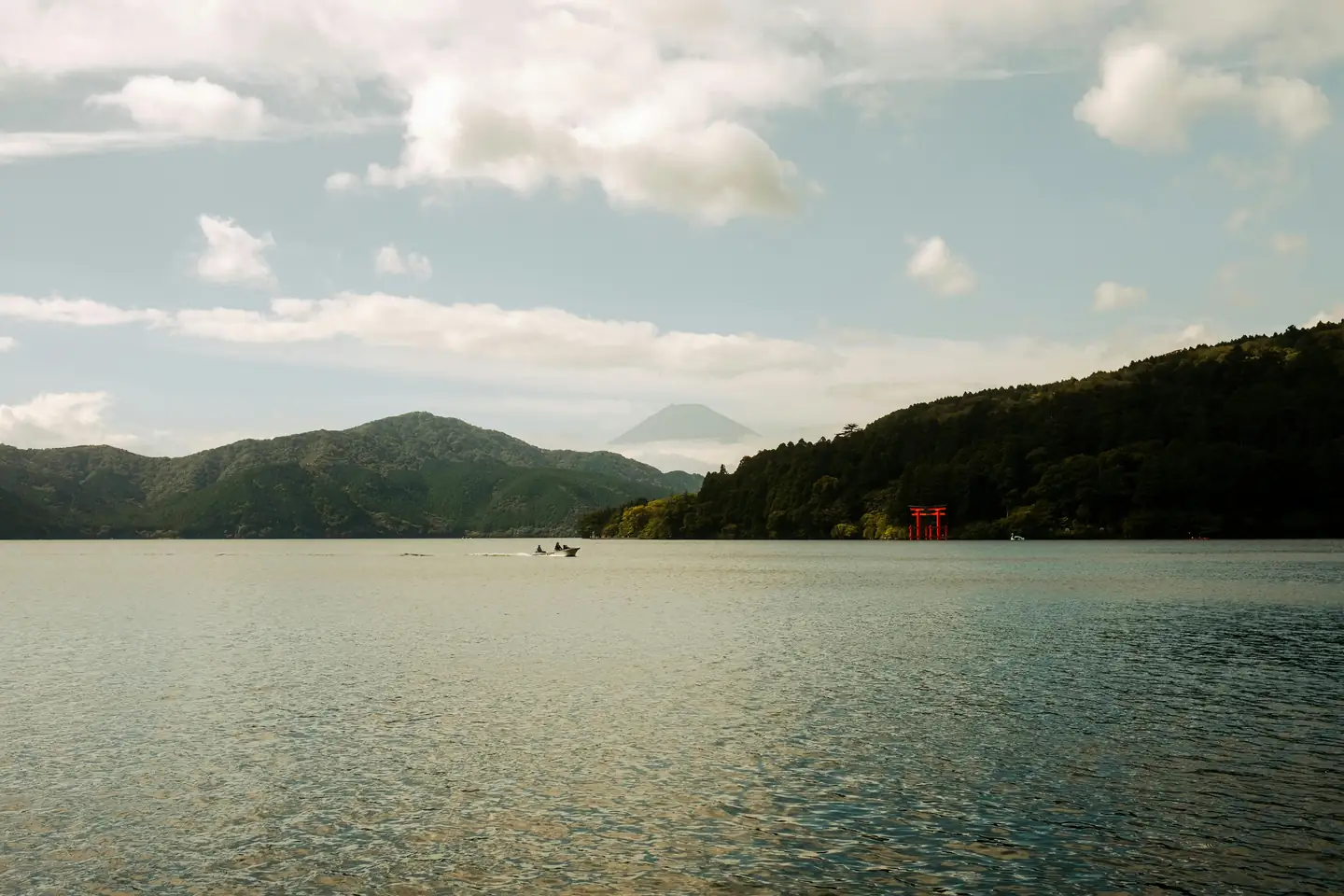
Hakone is a scenically beautiful place located just a short way out of Tokyo, with its hot springs which are relaxing. Take in Fuji mountain scenery, Lake Ashi boat ride and relaxing onsen baths. It is a perfect retreat to nature and leisure travelers.
4. Miyajima Island
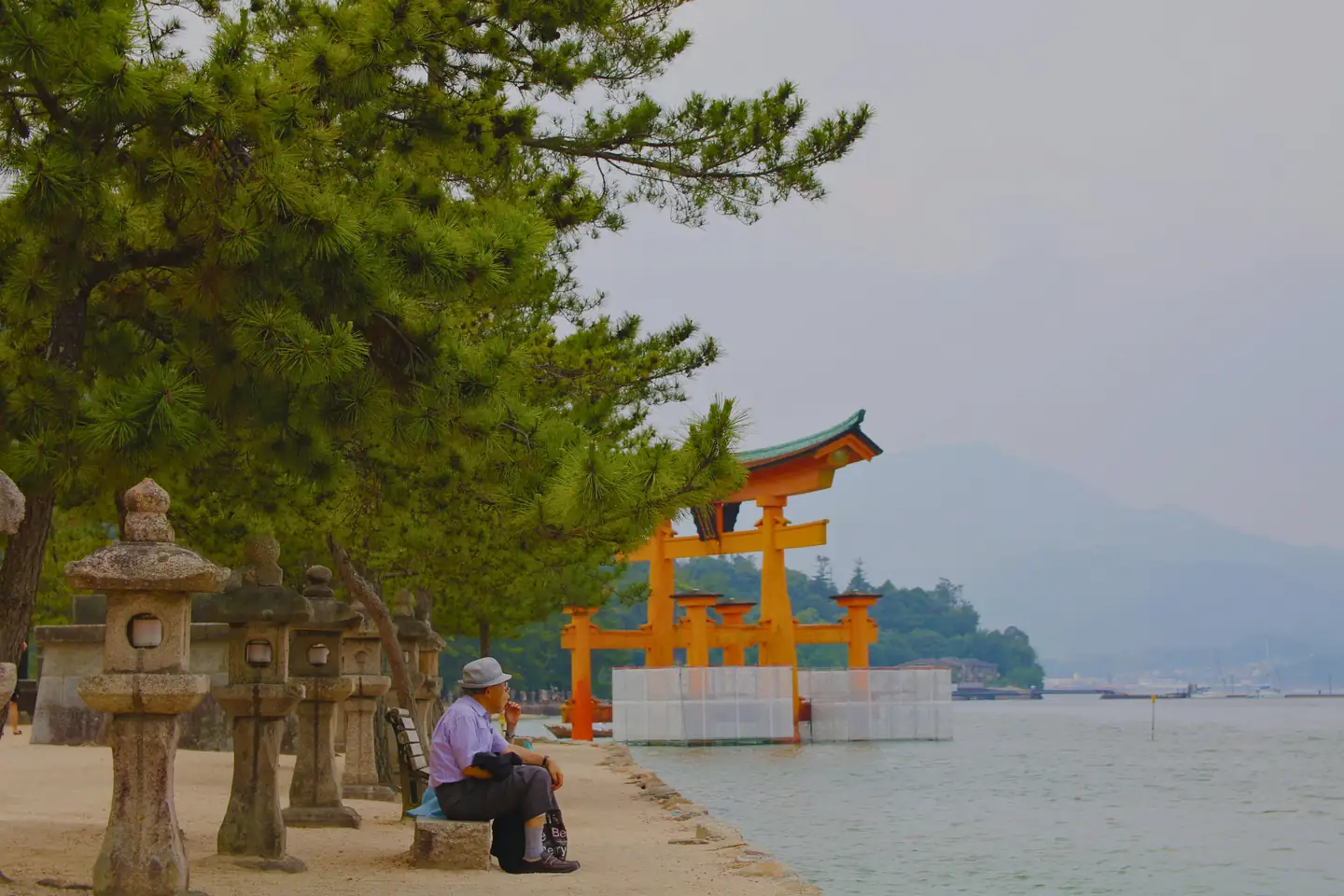
Miyajima Island is known to have the spectacular floating torii gate of Itsukushima Shrine, located close to Hiroshima. Hike the island, taste the local oysters and immerse oneself in the spiritual peace of the island.
5. Kamakura
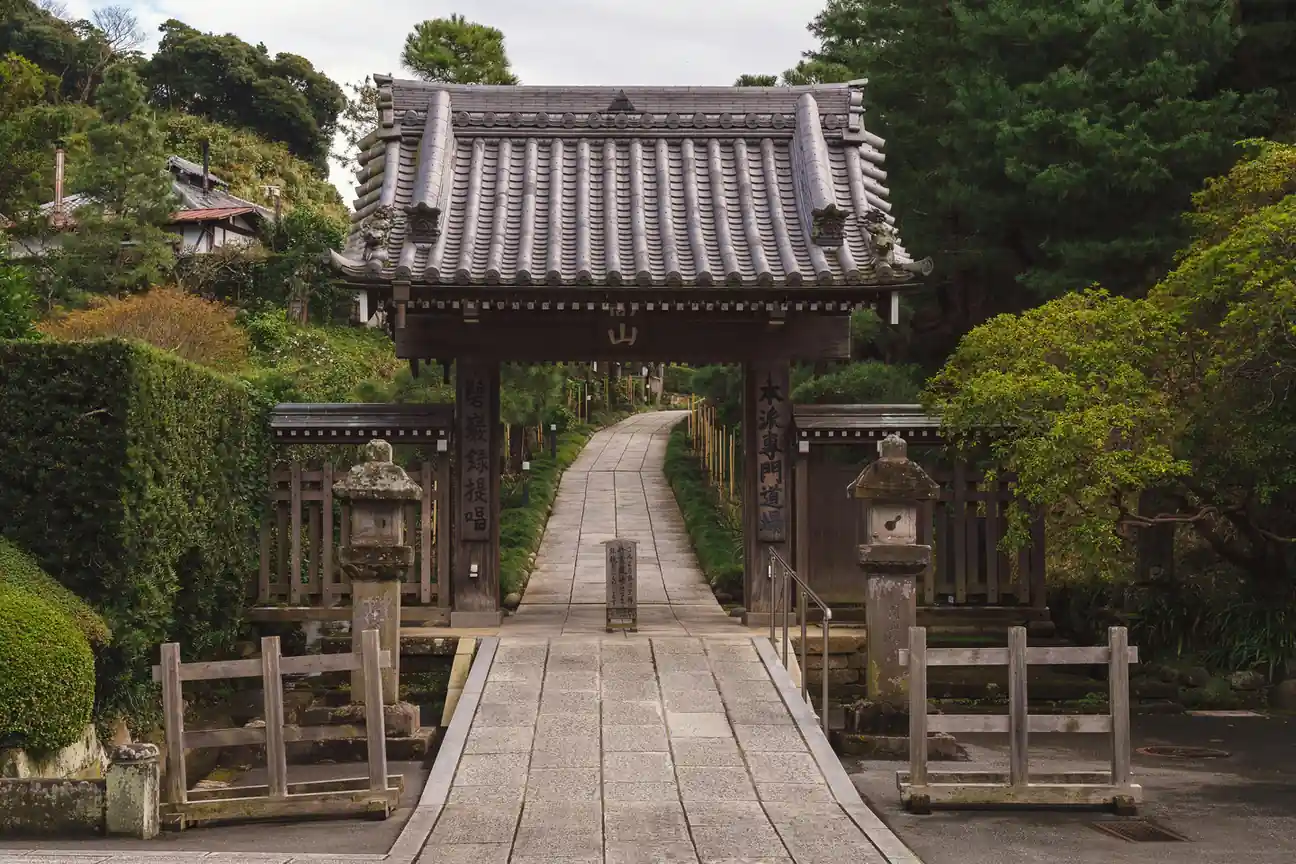
Kamakura is a quiet seaside town close to Tokyo and was the place where the Great Buddha (Daibutsu) was established, and gorgeous temples such as the Hase-dera are also found there. It is a cool getaway to the city due to its beaches and serene streets.
Food and Shopping Experiences
Best Japanese Foods to Try
- Sushi & Sashimi: Sushi and sashimi are the most typical dishes of Japan, fresh, tasty and beautifully made. Local sushi bars or the Tsukiji Market in Tokyo are good places to visit.
- Ramen: The best comfort food is a bowl of steaming ramen. Every part is unique in its taste, the soy base in Tokyo, the miso rich broth in Hokkaido.
- Okonomiyaki: It is a savoury Japanese pancake, a combination of cabbage, meat, and seafood, cooked in front of your eyes. This can be best tried in Osaka.
- Tempura: Deep-fried and battered seafood or vegetables - tempura is a sign of the culinary precision in Japan. It is served with rice or soba noodles.
- Matcha Desserts: As far as ice creams and cakes are concerned, matcha-flavored desserts are a must. These green tea delicacies can best be indulged in Kyoto.
- Shojin Ryori: To vegetarians, Shojin Ryori, which is traditional Buddhism food, provides a tranquil and vegetarian experience prepared using in-season products.
Shopping Tips for Indians
- Buy cheap souvenirs in Shop at Don Quijote and Daiso.
- Go to Akihabara and buy electronics and anime products.
- Take your passport to make tax free purchases above 5,000 yen.
- Purchase traditional craft such as kimonos, ceramics and chopsticks.
- Visit Ginza and Shinjuku with upscale brands and stores.
Final Travel Checklist Before You Fly
- Apply and collect your Japan tourist visa
- Make early bookings of flights and hotels.
- Buy travel insurance
- Take a JR Pass in between cities.
- Bring comfortable shoes and clothes that are suitable in the weather.
- Bring a universal power adaptor.
- Get translation and navigation applications.
- Keep cash in Japanese yen
Conclusion
Japan is a place to experience a combination of an amazing culture, modern technologies, and stunning nature that can make it one of the best destinations of Indian tourists. These Japan travel tips for Indians will make you be prepared to see all that Japan has to offer, whether it is the busy Tokyo streets or the silent temples of Kyoto. The harmonious coexistence between the modernity and tradition in the country means that each traveler will have something to fall in love with. After receiving the Japan tourist visa, it is time to get your suitcase, adopt the spirit of adventure, and make some lifetime memories in the Land of the Rising Sun.
Frequently Asked Questions (FAQs)
Q1: How long can Indian tourists stay in Japan?
Maximum of 90 days in a short term tourist visa.
Q2: What is the best time of year to visit Japan?
Cherry blossoms in spring (March - May ) and fall foliage in autumn (September - November).
Q3: Is Japan expensive for Indian travelers?
It is a matter of your budget, but with careful planning, Japan will be cheap.
Q4: Do Indian tourists need to know Japanese to travel?
No. The majority of signs are bilingual, and it is not difficult to communicate with the help of translation apps.
Q5: What should I pack for my first Japan trip?
Relaxing clothing, travel papers, electrical adapter, medication, and raincoats.
Q6: Is Japan safe for solo Indian travelers?
Yes, Japan is one of the most secure nations in the world.
Q7: What is the tipping culture like in Japan?
There is no need to tip, just make a polite appreciation.
Q8: What is the best way to get around Japan?
The trains and metros are clean, efficient and punctual.
Q9: Are there any festivals Indians should plan their Japan trip around?
Yes! Hanami (Cherry Blossom Festival), Gion Matsuri, and Sapporo Snow Festival are places that cannot be missed.
Q10: How early should I start preparing for a Japan trip?
Start planning at least two-three months before the departure.
Learn More:
Natural Spots to Visit in Japan | Hidden Gems of Japan | Temples in Kyoto Japan | Theme Parks to Visit in Japan | Japan Family Trip | Japanese Temples and Churches | Festivals in Japan