
© 2026 Go Kite Travel & Tours. All rights reserved.
US Visa Interview Questions and Answers with Preparation Tips
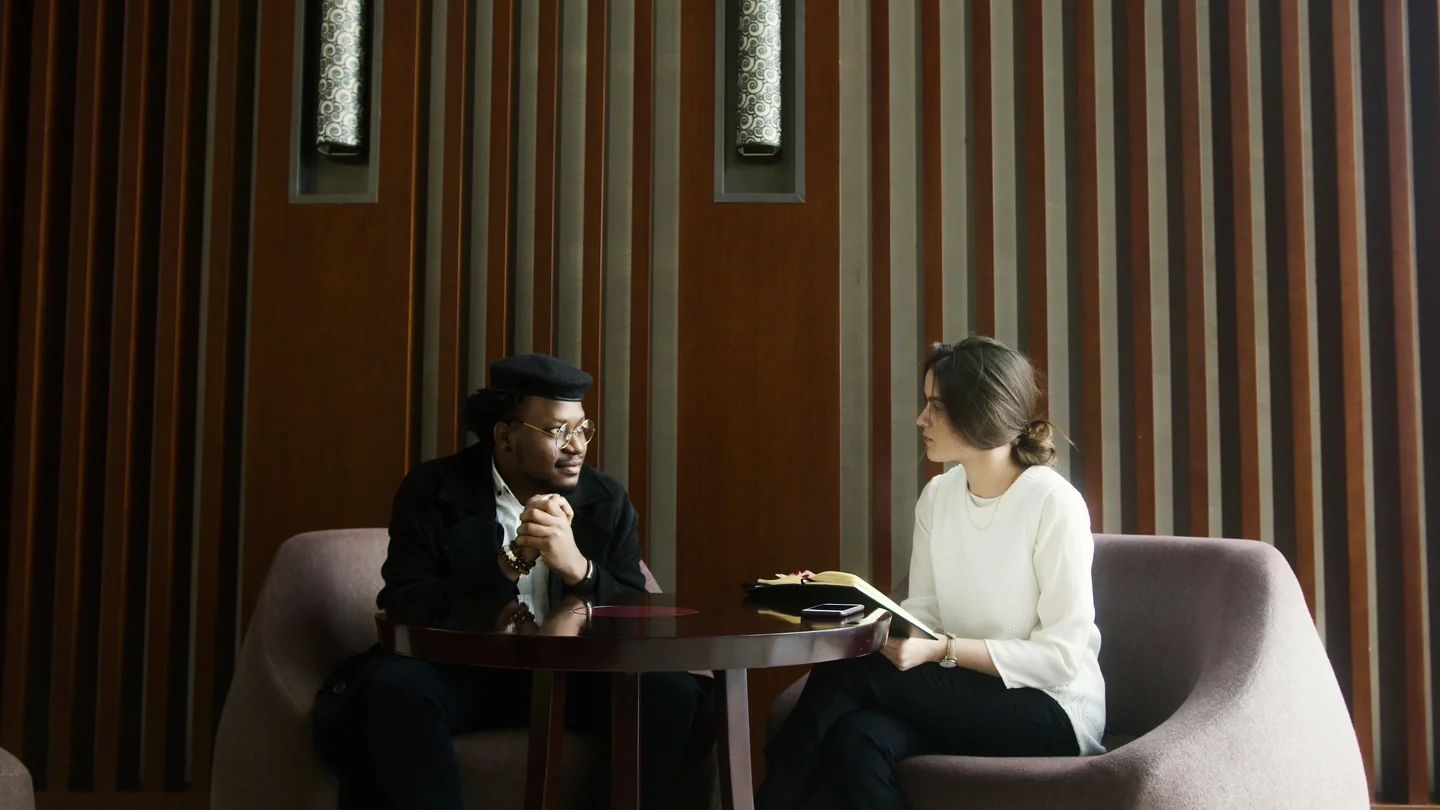
If you are planning to apply for a US visa in 2026, preparing for the interview is an important part of the application process. A consular officer may ask questions about your travel purpose, finances, employment, education, family connections, previous travel and plans after your visit. The exact questions depend on your visa category and individual circumstances.
Recent US visa policy changes have also made in-person interviews more important for many nonimmigrant applicants. Since October 1, 2025, most nonimmigrant visa applicants generally require an in-person interview, with limited exceptions for specific categories and certain qualifying renewals. Consular officers can still require an interview even when an applicant appears eligible for a waiver.
This guide explains the latest US visa interview expectations, common questions, sample ways to answer them, documents to prepare and practical tips for first-time applicants.
Quick Answer: A US visa interview is a short conversation with a consular officer to assess whether you qualify for the visa you are requesting. Questions usually focus on your travel purpose, finances, employment or education, travel plans and reasons for returning home. Your answers should be truthful, concise and consistent with your application.
Introduction to the US Visa Interview
The visa interview gives a consular officer an opportunity to evaluate your application and determine whether you qualify under US immigration law. For temporary visas, the officer may focus particularly on your purpose of travel, eligibility for the visa category and whether your circumstances support your intention to leave the United States after your authorized stay.
For visitor visas, the US Department of State explains that applicants may be asked to provide evidence of the purpose of their trip, their intention to depart the United States and their ability to pay for the trip. Employment and family ties can help demonstrate these circumstances.
What Has Changed Recently?
One important recent change concerns interview waivers. From October 1, 2025, most nonimmigrant visa applicants generally require an in-person interview, including applicants under 14 and over 79, subject to limited exceptions. Certain applicants renewing a full-validity B-1, B-2 or B1/B2 visa within 12 months of expiration may qualify for an interview waiver if they meet the stated conditions.
Another important change is where applicants should schedule interviews. Current Department of State guidance says nonimmigrant applicants should generally schedule interviews in their country of nationality or residence.
These changes do not mean there is a fixed list of "new questions" that every applicant will be asked. Consular officers decide what to ask based on the individual application.
What Are the New US Visa Interview Questions?
There is no official list of newly introduced questions that applies to every applicant. Instead, applicants should expect questions that help the consular officer understand the information provided in the application and assess eligibility.
For a tourist or business visitor, questions may cover your destination, purpose of travel, occupation, funding, travel companions, previous international travel and expected length of stay. A student may be asked about their university, course, funding and career plans.
The most important preparation is therefore not memorizing dozens of answers. It is understanding your own application and being able to explain your plans clearly.
Common US Visa Interview Questions and Answers
The following US visa questions are examples of areas applicants should prepare for. Your actual interview may be different, and there is no guaranteed set of questions.
Why do you want to visit the US?
Explain your genuine purpose in one or two clear sentences. For example, a tourist could say that they are visiting the US for a holiday and briefly mention the cities or attractions they plan to visit.
Avoid giving an unnecessarily long explanation. The answer should match the purpose stated in your application.
Where will you stay in the US?
Provide the name and location of your hotel, accommodation or host if you already have arrangements. If you are staying at multiple locations, explain the basic itinerary clearly.
Your answer should be consistent with the information in your application and supporting documents.
Who is sponsoring your trip?
Explain who will pay for the trip. If you are funding it yourself, say so directly and be prepared to explain your employment and financial situation.
If another person is paying for some or all of the expenses, clearly explain your relationship with that person and the extent of their financial support.
What do you do for work?
Describe your current occupation, employer and primary responsibilities. Business owners can briefly explain their company and role, while salaried employees can state their job title and employer.
The purpose is not to deliver a detailed career history. Give the information relevant to your current circumstances.
How long will you stay?
State your planned duration honestly. If you have a specific itinerary, your answer should correspond with it.
Avoid suggesting an unnecessarily long stay if your actual purpose is a short visit.
Do you have relatives in the US?
Answer truthfully. If you have relatives in the United States, provide the relationship and relevant information if asked.
Having relatives in the US does not automatically mean your application will be refused. However, hiding information can create serious credibility problems.
Why will you return to your home country?
Explain the genuine reasons that connect you to your home country. These may include employment, business responsibilities, education, family circumstances or other established commitments.
Under INA Section 214(b), many nonimmigrant applicants must overcome the presumption of immigrant intent by demonstrating circumstances that support their temporary stay.
US Student Visa Interview Questions
Student visa interviews are different from tourist interviews because the officer needs to understand your academic plans, qualifications, funding and intentions after completing your studies.
Common questions include:
Why did you choose this university?
Explain why the university fits your academic goals. Mention specific factors such as the program, curriculum, facilities or academic opportunities rather than simply saying that it is highly ranked.
Why study this course?
Connect the course with your previous education, professional interests or future career plans. Your answer should demonstrate that you understand what you are going to study.
Who will fund your education?
Clearly explain whether your education will be funded by your parents, yourself, a scholarship, an education loan or another legitimate source.
What are your career plans after graduation?
Explain your intended career direction after completing your education. Your answer should be consistent with your circumstances and the requirements of your visa category.
Why study in the US instead of your home country?
Focus on genuine academic reasons. Explain what the US program offers that is particularly relevant to your educational goals.
For student visas, the Department of State may request evidence of academic preparation, intent to depart after completing the course and how you will pay educational, living and travel costs.
US Tourist Visa Interview Questions
Applicants applying for a B-2 tourist visa or B1/B2 visitor visa should be prepared to explain their travel plans clearly.
What is the purpose of your trip?
State whether you are travelling for tourism, visiting family or another permitted temporary purpose. Avoid vague explanations that do not match your application.
Which places do you plan to visit?
Mention the main destinations you genuinely plan to visit. You do not need to recite an elaborate day-by-day itinerary unless asked.
Who are you traveling with?
State whether you are travelling alone, with family, friends or another companion. If travelling with someone who already holds a U.S. visa, explain the relationship if relevant.
How will you pay for your trip?
Explain whether you will pay from your salary, savings, business income or another legitimate source. If someone else is covering the costs, explain that honestly.
How long do you plan to stay?
Give your expected duration and make sure it is consistent with your travel plans and circumstances.
US Business Visa Interview Questions
A B-1 visa can be used for certain temporary business activities such as attending meetings, consultations, conferences or negotiating contracts.
Applicants may be asked:
What is the purpose of your business visit?
Explain the specific business activity, such as attending meetings, a conference or negotiations.
Which company are you visiting?
Give the company's name, location and your professional connection with it.
Who will pay for your travel?
Explain whether your employer, your company or another legitimate source will cover the expenses.
What is your role in your company?
Describe your designation and responsibilities in a straightforward way.
How long will you be in the US?
Give the expected duration based on your genuine business schedule.
Business visitors should be especially careful to distinguish temporary business activities from employment or other activities that are not permitted under a B-1 visa.
How to Prepare for a US Visa Interview
Good preparation starts before the interview appointment. Begin by reviewing the information you submitted in your DS-160 and make sure you understand every important detail.
Your answers should be truthful rather than rehearsed word for word. Consular interviews are generally designed to be direct, so prepare to explain your travel plans, finances, employment, education and personal circumstances without unnecessary detail.
Review Your Visa Application Carefully
Check your passport information, travel purpose, employment details, previous travel information and other important answers. If you discover an error, understand the appropriate procedure for correcting it rather than trying to hide it during the interview.
Prepare Clear and Honest Answers
Think through the most likely questions based on your visa category. Practice explaining your circumstances naturally rather than memorizing paragraphs.
Know Your Travel Plans
Be familiar with your destination, approximate itinerary, accommodation and expected duration. You should be able to explain why you are travelling and what you plan to do.
Organize Your Supporting Documents
Keep your required documents and relevant supporting evidence organized so you can access them easily if requested.
Practice Common Questions
A practice session can help you become more comfortable answering questions without sounding scripted. Focus on clarity and confidence rather than trying to produce perfect answers.
Documents to Carry for the US Visa Interview
The exact documents required can vary according to the visa category and U.S. Embassy or Consulate where you apply. For a visitor visa, the Department of State advises applicants to follow the specific instructions provided by the location where they will apply.
Common documents may include:
- Valid passport
- DS-160 confirmation page
- Visa appointment confirmation
- Visa fee payment receipt, where applicable
- Photograph if required
- Financial documents
- Employment or business documents
- Education documents for student applicants
- Supporting documents relevant to your visa category
For an F-1 student visa, for example, applicants need the relevant Form I-20 and may need academic and financial evidence.
Remember that carrying a large file of documents does not guarantee approval. The documents should support your actual circumstances and the purpose of your application.
How to Answer US Visa Interview Questions
The best answers are usually simple, direct and truthful. A consular officer may have limited time to assess your application, so avoid turning a straightforward question into a lengthy explanation.
Keep answers relevant. Answer the question that was asked rather than providing unrelated information.
Be confident and truthful. Confidence should come from knowing your own application, not from memorizing scripted responses.
Avoid rehearsed answers. Memorized responses can sound unnatural and may make it harder to respond when the officer asks a follow-up question.
Explain your plans clearly. Your purpose of travel, finances and circumstances should make sense as a complete picture.
Do not guess. If you genuinely do not remember a minor detail, say so rather than inventing an answer.
Common Mistakes to Avoid
One of the biggest problems applicants can create is inconsistency. If your DS-160 says you are travelling for tourism but your interview answers suggest another purpose, the officer may have concerns about your application.
Other mistakes include giving unnecessarily detailed answers, appearing unfamiliar with your own itinerary, providing false information or being unable to explain how your trip will be financed.
Applicants should also avoid assuming that a US invitation automatically proves eligibility. For visitor visas, the Department of State states that applicants qualify based on their ties abroad rather than assurances from US family or friends.
US Visa Interview Tips for First-Time Applicants
First-time applicants often feel nervous because they do not know what the interview environment will be like. The process is generally focused on a short conversation about your application and circumstances.
Listen carefully to the consular officer and answer the question asked. If you do not understand a question, it is better to politely ask the officer to repeat or clarify it than to answer something you did not understand.
You should also avoid comparing your interview with another applicant's experience. Two people applying for the same visa category can receive completely different questions because their circumstances are different.
What to Wear for a US Visa Interview
There is no special dress code that guarantees visa approval. However, clean, neat and appropriate professional or smart-casual clothing is generally a sensible choice.
Choose clothing that is comfortable and presentable. Avoid treating the interview like a fashion event or wearing something that makes you uncomfortable.
Your appearance does not replace eligibility. What matters most is the accuracy of your application, the credibility of your answers and whether you meet the legal requirements for the visa.
What Happens After the Visa Interview?
The interview can result in several outcomes. If the officer determines that you qualify, the application may proceed to visa issuance and passport processing.
Some applications may require administrative processing after the interview. If this happens, the consular officer should provide information about the next steps.
A visa can also be refused. One common legal basis for refusal of a nonimmigrant visa is Section 214(b), which can apply when an applicant has not demonstrated eligibility for the visa category or has not overcome the presumption of immigrant intent.
A refusal does not mean that every future application will automatically be refused. However, applicants should understand the reason for the refusal and consider whether their circumstances or available evidence have materially changed before reapplying.
Final US Visa Interview Preparation Checklist
Before attending your interview, review this checklist:
- Documents: Carry your passport, DS-160 confirmation, appointment confirmation and relevant supporting documents.
- Application: Review the information submitted in your DS-160 so you can answer questions accurately.
- Travel plans: Know your destination, accommodation, purpose and expected duration.
- Finances: Understand who is paying for your trip and be prepared to explain your financial circumstances.
- Employment or education: Be ready to describe your current job, business or academic plans.
- Answers: Practice common questions without memorizing scripted responses.
- Communication: Listen carefully, answer directly and ask politely if you do not understand a question.
- Appearance: Wear clean, comfortable and appropriate clothing.
- Honesty: Never provide false or misleading information.
Frequently Asked Questions About US Visa Interviews
How long does a US visa interview take?
The length of a US visa interview varies depending on the applicant and visa category. Many interviews are relatively brief, but there is no fixed duration. The officer may ask additional questions when clarification is needed. Focus on giving accurate, direct answers rather than trying to predict how long your interview will last.
Can I reschedule my US visa interview?
Rescheduling rules depend on the appointment system and U.S. Embassy or Consulate where you applied. If you need to change your appointment, follow the instructions provided by the official visa appointment service for your location. Avoid missing an appointment without checking the applicable rescheduling procedure first.
What happens if I make a mistake during the interview?
If you realize that you made an honest mistake, do not panic. If appropriate, politely clarify the information when you have an opportunity. Never deliberately provide incorrect information. The important thing is that your answers accurately represent your circumstances and remain consistent with your application.
Can I speak in my local language during the interview?
Interview language arrangements can depend on the embassy or consulate and the applicant's circumstances. Applicants should check the instructions for their specific location. If an officer asks questions in English, answer as clearly as you can. Do not pretend to understand a question if you do not.
How can I improve my chances of visa approval?
There is no guaranteed method of securing a U.S. visa. You can strengthen your application by selecting the correct visa category, completing the application accurately, explaining your genuine travel purpose, demonstrating your ability to fund the trip and providing truthful, consistent information. Final decisions are made by consular officers under U.S. immigration law.
Get Professional Help With Your US Visa Application
Preparing for a US visa interview is easier when you understand your visa category, review your application carefully and know how to explain your travel plans. The goal is not to memorize answers but to communicate your genuine circumstances clearly and consistently.
For applicants who need help with document preparation, application guidance and interview preparation, Go Kite Travel & Tours US Visa Services can provide professional assistance throughout the visa process. A well-prepared application can help you approach your interview with greater clarity and confidence, while remembering that the final visa decision always rests with the U.S. consular officer.
Ready to plan your next adventure?
GoKite Travel makes your dream trip a reality.