
© 2026 Go Kite Travel & Tours. All rights reserved.
What Is the New Schengen Cascade Visa Rule for Indians? A Complete Guide
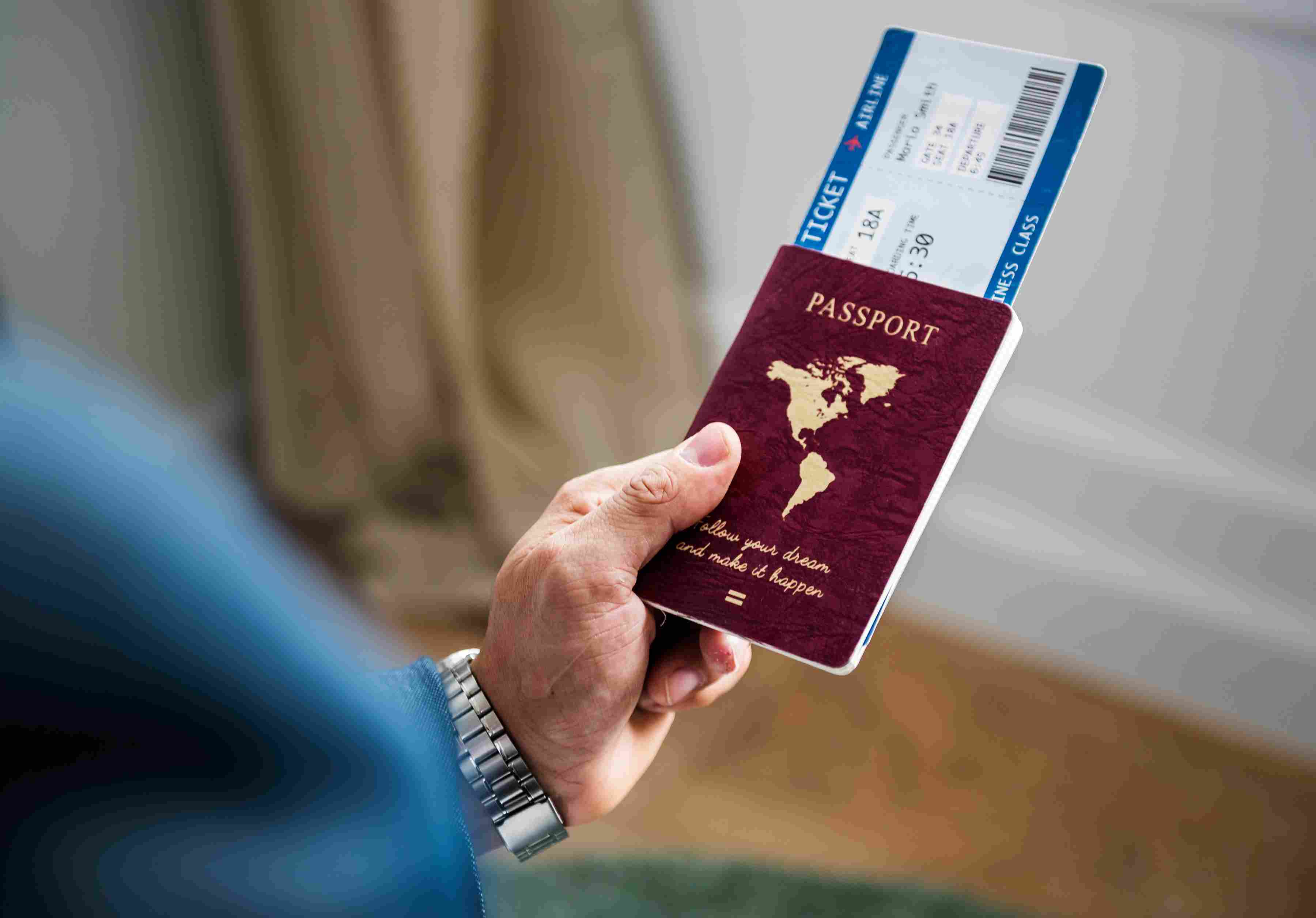
Indian travelers planning multiple trips to Europe now have a faster route to long-validity visas. The Schengen Cascade Visa is an official European Union policy that rewards Indian nationals with a clean Schengen travel history by granting multiple-entry visas with progressively longer validity. Introduced through European Commission Implementing Decision C(2024) 2434 and reinforced by the India-EU Mobility Pact signed on 27 January 2026, this cascade regime is now fully active for Schengen visa applicants residing in India.
This guide explains what the Schengen Cascade Visa is, who qualifies, how visa validity progresses, the application process, and the practical steps Indian travelers can take to strengthen their eligibility for a 2-year or 5-year multiple-entry Schengen visa.
What Is the Schengen Cascade Visa?
Quick Answer: The Schengen Cascade Visa is a European Union policy under the Schengen Visa Code (Article 24) that allows travelers with a lawful Schengen Visa history to receive multiple-entry visas of increasing validity. For Indian nationals residing in India, the cascade grants a two-year multiple-entry visa after two Schengen visas have been obtained and lawfully used within the previous three years, followed by a five-year multiple-entry visa where passport validity allows.
Under the general EU Visa Code, the cascade normally moves through a one-year, then two-year, then five-year multiple-entry visa. Indian applicants residing in India benefit from an accelerated version: after lawfully using two Schengen visas within three years, they become eligible directly for a two-year multiple-entry visa, bypassing the one-year tier that applies to most other nationalities.
What's New in the Schengen Cascade Visa Rule for Indians?
Recent Changes to the Cascade Visa Framework
The cascade framework for Indian nationals has existed since April 2024, but 2026 marks the year it became fully operational alongside a broader shift in EU-India travel ties. On 27 January 2026, India and the European Union signed a Mobility Pact at their 16th bilateral summit in New Delhi, setting out closer coordination on visa processing between the two sides. This has coincided with the rollout of the EU's Entry/Exit System, which logs border crossings biometrically instead of using passport stamps, and the gradual shift toward digital Schengen visas in place of paper stickers.
Why the Rule Was Introduced
Brussels designed the cascade mechanism to ease pressure on both applicants and consulates. Instead of every traveler resubmitting a full application ahead of each visit, the EU extends longer-validity visas to those who have already shown, through past trips, that they follow Schengen entry and exit rules.
How It Benefits Frequent Indian Travelers
Frequent Indian travelers gain fewer repeat applications and lower long-term visa costs. Once a traveler holds a five-year multiple-entry visa, they can move in and out of the Schengen Area with a level of ease close to that of visa-exempt nationals, so long as each visit stays within the 90-day limit inside any rolling 180-day window.
Important Conditions to Keep in Mind
Qualifying under the cascade timeline does not automatically produce a longer visa. Each application is still reviewed individually, and the consulate handling that application has final discretion over whether to issue the one-year, two-year, or five-year outcome.
How Does the Schengen Cascade System Work?
The cascade progresses in stages based on documented visa history. The table below summarizes the pathway for Indian applicants.
| Visa History | Possible Outcome |
|---|---|
| First successful Schengen visa | Short-term visa issued based on stated travel needs |
| Two Schengen visas obtained and lawfully used within the previous 3 years | Two-year multiple-entry visa may be issued |
| Two-year visa used lawfully and passport validity sufficient | Five-year multiple-entry visa may be issued |
*Subject to eligibility and consular assessment; not automatic.
First-Time Applicants
First-time applicants typically receive a short-stay visa matched to their travel dates, since no prior Schengen visa history exists yet to evaluate.
Repeat Travelers
Repeat travelers build eligibility through lawful use of previous Schengen visas within defined time windows. Repeat travelers who use their visas correctly entering, exiting, and staying within permitted limits build the travel history the cascade regime evaluates.
Multiple-Entry Visa Progression
Two-year multiple-entry visa — precedes — the five-year multiple-entry visa in the Indian cascade pathway. Once the two-year visa has been used lawfully and the applicant's passport has enough remaining validity, consulates may issue the five-year multiple-entry visa, the highest tier available under the cascade.
Who Can Benefit from the Schengen Cascade Visa?
Frequent Tourists
Travelers applying for a Schengen visa for tourists who visit Europe regularly stand to gain the most, since fewer applications mean less paperwork per trip.
Business Travelers
Professionals who travel to Europe for conferences, client visits, or trade events benefit from a Schengen visit visa with multi-year validity, avoiding repeated appointments at visa application centres.
Families Visiting Europe
Families with a consistent history of visiting relatives or taking holidays in the Schengen Area can reduce the documentation burden on each member during renewal.
Travelers with a Good Visa Compliance Record
Visa compliance history determines eligibility for longer-validity multiple-entry visas. Anyone who has previously respected visa conditions .No overstays, no unauthorized work, no unused visas is positioned to benefit as their travel history accumulates.
Eligibility Criteria for the Schengen Cascade Visa
- Previous Schengen Visa History: At least two Schengen visas obtained and lawfully used within the past three years, for the two-year tier.
- Proper Visa Usage: Visas must have actually been used for travel, not merely issued.
- No Immigration Violations: No overstays, deportations, or entry bans on record.
- Financial Stability: Sufficient funds to support the proposed trip and stay in the Schengen Area.
- Valid Passport: Passport validity must extend beyond the proposed visa validity; visa duration is capped at three months before passport expiry.
- Genuine Travel Purpose: A credible, well-documented reason for travel, whether tourism, business, or family visits.
How to Apply for a Schengen Visa Under the Cascade System
Choose the Correct Schengen Country
Indian applicants must apply at the embassy or consulate of the Schengen country that is either the main destination or the first point of entry.
Prepare Required Documents
A complete Schengen visa application typically requires:
- Valid passport with at least two blank pages
- Completed visa application form
- Passport-size photographs meeting Schengen specifications
- Travel insurance with minimum €30,000 medical coverage
- Confirmed flight itinerary
- Hotel or accommodation booking
- Financial proof (bank statements, salary slips, or sponsorship letters)
- Cover letter explaining the purpose and pattern of travel
Book a Visa Appointment
Appointments are booked through the relevant visa application centre or embassy portal, often several weeks in advance during peak season.
Attend Biometrics
First-time applicants, or those whose biometric data is more than 59 months old, must provide fingerprints and a photograph in person.
Wait for Processing
Standard processing takes up to 15 calendar days, though this can extend to 30 or 45 days depending on the consulate and season. Travelers who apply for Schengen visa appointments well ahead of their travel dates reduce the risk of delays affecting their itinerary.
Benefits of the New Schengen Cascade Visa Rule
- Longer Visa Validity: Up to five years for qualifying applicants.
- Multiple Entries: Unlimited entries during the visa validity period, within the 90/180-day stay limit.
- Fewer Visa Applications: Reduced need to reapply before every trip.
- Easier Future Europe Trips: Simplified planning for recurring business or leisure travel.
- Better Travel Flexibility: Spontaneous trips become easier once a long-validity visa is in hand.
Common Reasons Applicants May Not Receive a Cascade Visa
Not every applicant who meets the basic timeline qualifies automatically. Common reasons for a shorter-validity visa instead of the cascade tier include incomplete documentation, evidence of previous visa misuse, prior overstays, insufficient financial proof, an inconsistent or unclear travel history, and security or background concerns flagged during assessment. Meeting the minimum eligibility window does not guarantee a long-validity visa the consulate retains full discretion.
Schengen Countries Covered Under the Cascade Visa
The cascade framework operates within the broader Schengen countries network, which now includes 29 members following the full accession of Bulgaria and Romania. Commonly visited Schengen destinations for Indian travelers include:
France · Germany · Italy · Spain · Netherlands · Switzerland · Austria · Belgium · Greece · Portugal
A single cascade-issued visa permits travel across all Schengen member states during its validity period, not just the country that issued it.
Tips to Improve Your Chances of Receiving a Longer-Validity Schengen Visa
- Use previous Schengen visas correctly travel on the dates and for the purpose stated.
- Avoid overstaying beyond the permitted 90/180-day limit.
- Submit complete, consistent documentation with every application.
- Maintain a steady, credible travel history rather than sporadic or contradictory trips.
- Purchase travel insurance that meets the €30,000 minimum coverage requirement.
- Demonstrate sufficient, verifiable funds for each trip.
- Apply through the correct embassy or consulate based on your main destination.
Frequently Asked Questions (FAQs)
1. What is the Schengen Cascade Visa?
The Schengen Cascade Visa is an EU policy that allows eligible travelers to receive multiple-entry Schengen visas with progressively longer validity based on their previous visa history and compliance with Schengen rules. It is not a separate visa type but a system that rewards frequent and lawful travelers.
2. Is the Schengen Cascade Visa available for Indian citizens?
Yes. Indian nationals residing in India can benefit from the Schengen Cascade Visa system. Eligible applicants who have previously used Schengen visas correctly may qualify for a two-year or five-year multiple-entry visa, subject to consular approval.
3. Who qualifies for a longer-validity Schengen visa?
Applicants with a strong history of lawful Schengen travel, no visa violations, sufficient financial proof, and valid travel documentation may qualify for longer-validity multiple-entry visas under the Cascade system.
4. Does the Cascade Visa guarantee a five-year visa?
No. Meeting the eligibility requirements does not guarantee a five-year visa. The final decision depends on the embassy or consulate reviewing your application and your overall travel history.
5. Can first-time applicants receive a Schengen Cascade Visa?
No. First-time applicants generally receive a standard short-stay Schengen visa. Eligibility for the Cascade Visa begins only after establishing a lawful Schengen travel history.
6. How do I apply for a Schengen visa under the Cascade system?
You must submit your application through the appropriate embassy or visa application centre, provide the required documents, complete biometrics if necessary, and wait for the consulate's decision. The application process remains the same as a standard Schengen visa application.
7. Which countries are covered under the Schengen Cascade Visa?
The Schengen Cascade Visa is valid across all Schengen member countries, including France, Germany, Italy, Spain, Switzerland, the Netherlands, Belgium, Austria, Portugal, Greece, and other participating Schengen states.
8. What documents are required for a Schengen visa application?
Applicants typically need a valid passport, completed application form, passport-sized photographs, travel insurance, flight itinerary, accommodation proof, financial documents, and a cover letter explaining the purpose of travel.
Conclusion
The Schengen Cascade Visa gives Indian travelers with a strong, compliant travel record a realistic path to longer-validity, multiple-entry Schengen visas reducing repeated paperwork and making future Europe trips considerably easier to plan. That said, validity and duration remain assessed case by case by the relevant consulate, and no applicant is guaranteed a two-year or five-year visa simply by meeting the minimum timeline.
For Indian travelers who want expert guidance through this process, Go Kite Travel & Tours assists with Schengen visa applications, document preparation, travel insurance, and tailored Europe holiday packages helping you build the kind of travel record that strengthens your case for a long-validity cascade visa on your next application.
Get expert assistance with your travel plans, visa, flights and holiday packages.
Call Now WhatsApp UsReady to plan your next adventure?
GoKite Travel makes your dream trip a reality.