
© 2026 Go Kite Travel & Tours. All rights reserved.
Discover the Flavours of New Zealand
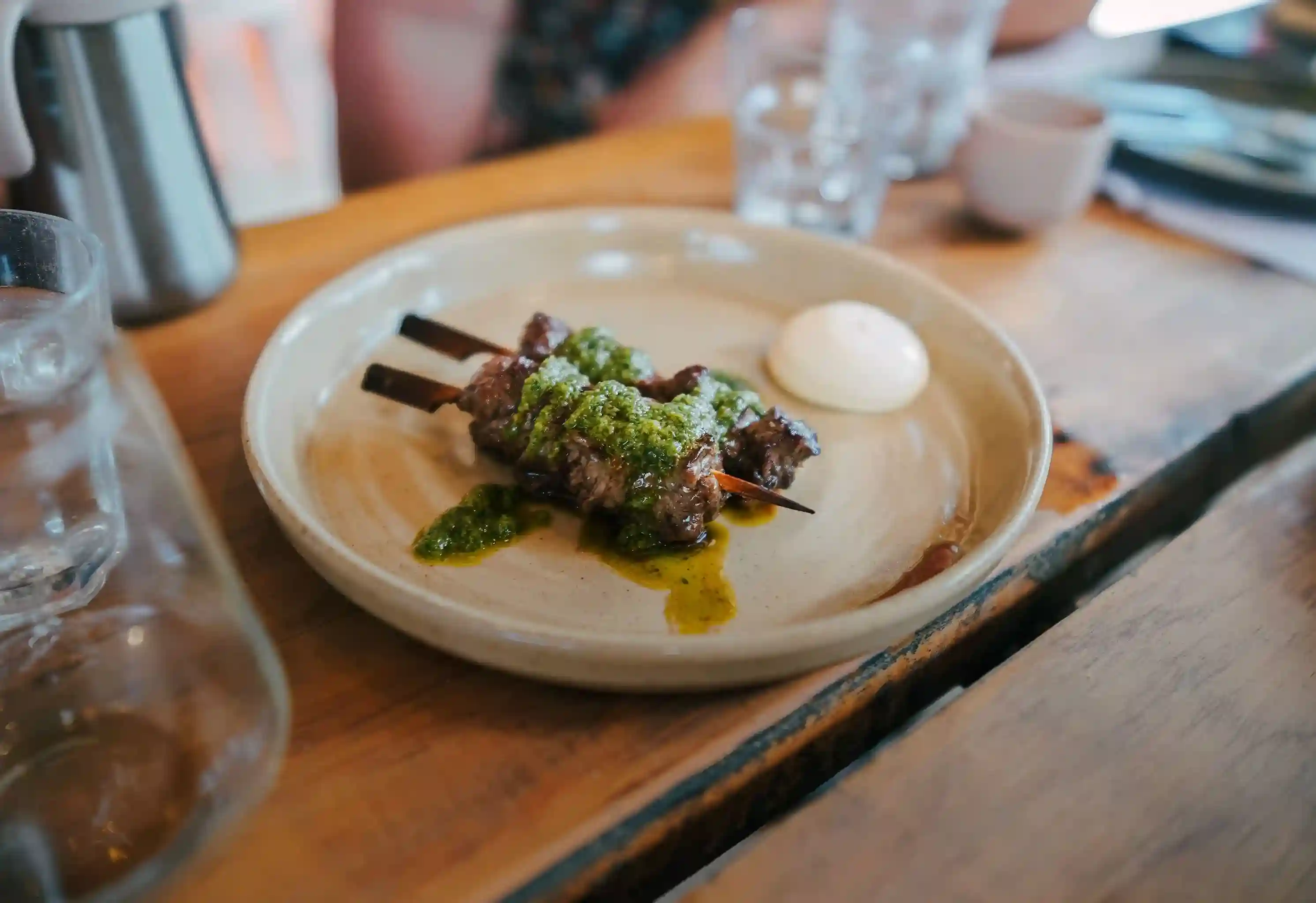
New Zealand is usually introduced through mountains, lakes, glaciers and long coastal drives. Food deserves a place in that introduction too.
The country's cuisine draws from Māori food traditions, farming, an extensive coastline, Pacific influences and modern restaurant culture. You can eat hāngī in Rotorua, crayfish in Kaikōura, green lipped mussels in Marlborough, lamb almost anywhere, and pavlova when dessert requires more structural engineering than usual.
Exploring New Zealand food also gives you a practical way to understand the regions you are travelling through. Seafood changes with the coastline, wine changes with climate and soil, and Māori ingredients connect meals directly with the land and sea.
Here is what to taste, where to find it and which culinary experiences deserve room in your itinerary.
A Culinary Journey Through New Zealand’s Finest Tastes
New Zealand cuisine does not revolve around one national dish. Its food culture combines regional produce, seafood, meat, Māori traditions and influences brought by generations of immigrants.
Tourism New Zealand highlights seafood, lamb, hāngī, fish and chips, local wine, pavlova, pies and artisan cheese among foods commonly associated with the country.
For a first visit, these are useful starting points:
| Food | What to Expect | Where to Look |
|---|---|---|
| Hāngī | Meat and vegetables slowly cooked using heated stones underground | Rotorua and Māori cultural experiences |
| Crayfish | Rich coastal shellfish | Kaikōura |
| Green lipped mussels | Large local mussels | Marlborough and Havelock |
| Lamb | Roast, grilled or slow cooked | Available nationwide |
| Meat pies | Savoury pastry with varied fillings | Bakeries across New Zealand |
| Pavlova | Meringue with cream and fruit | Restaurants, bakeries and home style dining |
| Hokey pokey ice cream | Vanilla ice cream with honeycomb pieces | Ice cream shops nationwide |
| Fish and chips | Battered fish with chips | Coastal towns and cities |
One itinerary can cover several of these without turning every day into a restaurant reservation.
Savour the Authentic Tastes, Traditions, and Ingredients of Aotearoa
To understand New Zealand food, start with Māori cuisine, or kai Māori.
Traditional Māori food draws ingredients from the sea, rivers, forests and cultivated land. Tourism New Zealand identifies ingredients such as kaimoana, meaning seafood, kina or sea urchin, pikopiko fern shoots, kawakawa, horopito, watercress and pūhā as part of Māori food traditions.
Hāngī
Hāngī refers to a traditional cooking method using an earth oven.
Heated stones are placed in a pit, food is arranged above them, and everything is covered so the trapped heat and steam cook the meal slowly. Modern hāngī often includes chicken, lamb, pork, potatoes, pumpkin and kūmara, or sweet potato.
Rotorua is one of the most accessible places for travellers to experience hāngī as part of a Māori cultural programme.
The meal matters, but so does the context. Māori hospitality, or manaakitanga, places importance on welcoming and caring for guests, and shared food forms part of that tradition.
Rēwena Bread
Rēwena paraoa is a Māori style of fermented bread traditionally made using a potato based starter.
You may encounter it at Māori food experiences or specialist cafés. Its long fermentation gives it a distinctive texture and slightly tangy flavour.
Kaimoana
Kaimoana covers food gathered from the sea.
Pāua, kina, oysters, crayfish and mussels all appear in Māori cuisine and contemporary New Zealand cooking. Pāua, a local abalone, is also culturally significant and regarded as a taonga, or treasure.
From Farm to Table: Exploring New Zealand’s Rich Food Culture
Agriculture plays a large role in the country's food identity, and visitors encounter that connection in restaurants, farmers markets, vineyards and roadside produce stalls.
New Zealand Lamb
Lamb remains one of the country's most recognised foods.
Restaurants serve it roasted, grilled or slow cooked, often with seasonal vegetables and herbs. Tourism New Zealand notes that lamb is widely available on restaurant menus across the country.
Cheese and Dairy
New Zealand's dairy industry also supports a substantial artisan cheese scene.
Cow, sheep and goat milk cheeses are produced in several regions, with styles ranging from blue and aged cheeses to soft varieties.
Travellers interested in regional food can include cheese shops, farms and local markets rather than relying entirely on city restaurants.
Seasonal Produce
Hawke's Bay and Central Otago are particularly associated with orchards and seasonal fruit.
Depending on when you visit, markets may carry stone fruit, berries, apples, kiwifruit and feijoas. Tourism New Zealand recommends farmers markets and roadside stalls as useful places to sample local produce.
This is also where the phrase “farm to table” becomes fairly literal.
Taste Your Way Through New Zealand’s Local Delights
Some of the foods worth trying are less formal and easier to find.
Meat Pies
The New Zealand pie is everyday food rather than an occasion meal.
Common fillings include steak and cheese, mince, bacon and egg and potato top. Bakeries also produce versions using lamb, venison, salmon and even pāua.
They are useful during road trips because they require little ceremony beyond remembering that the filling may be considerably hotter than the pastry suggests.
Fish and Chips
Fish and chips are available throughout the country, particularly in coastal areas.
The usual format is freshly battered fish with chips, often bought as takeaway and eaten near the beach.
Ask what local fish is available rather than assuming the same species appears everywhere.
Hokey Pokey Ice Cream
Hokey pokey combines vanilla ice cream with small pieces of crunchy honeycomb.
It is one of New Zealand's widely recognised ice cream flavours and is readily available in supermarkets and ice cream shops.
Pavlova
Pavlova consists of a meringue base topped with cream and fruit such as kiwifruit, berries or passionfruit.
It frequently appears at celebrations and during the Christmas season in New Zealand.
L&P
For a non alcoholic local drink, try Lemon & Paeroa, usually shortened to L&P.
The lemon flavoured carbonated drink originated in Paeroa and has been produced since the early twentieth century.
A Delicious Guide to New Zealand’s Food, Wine, and Local Specialties
New Zealand's coastline makes seafood one of the easiest ways to explore regional food.
Kaikōura Crayfish
Kaikōura is closely associated with crayfish. Local seafood outlets and roadside seafood stops serve it along the coast.
Tourism New Zealand notes that crayfish are particularly abundant around Kaikōura during late winter and spring, roughly from June to November.
Green Lipped Mussels
Marlborough, particularly Havelock, is known for New Zealand green lipped mussels.
Visitors can find them in restaurants and on some seafood cruises operating around the Marlborough Sounds.
Bluff Oysters
Bluff oysters are a seasonal specialty from Southland.
Their season generally runs from March to August, which means timing matters if they are on your food list.
King Salmon
Salmon appears frequently on menus across the South Island, with the Mount Cook region particularly associated with king salmon.
Explore the Fresh, Diverse, and Unforgettable Flavours of Aotearoa
Regional food experiences make it easier to decide where to spend time.
Auckland
Auckland's large and diverse population produces a broad restaurant scene influenced by Pacific, Asian, European and Māori cooking.
Nearby Waiheke Island adds vineyard restaurants and cellar door experiences. Tourism New Zealand identifies both Auckland and Waiheke among the North Island's significant food destinations.
Rotorua
Rotorua is one of the main destinations for travellers looking for Māori cultural and food experiences.
Several hosted programmes combine storytelling, cultural performances and hāngī or contemporary Māori cuisine.
Wellington
Wellington has a concentrated café and restaurant scene and works well for travellers who prefer exploring food on foot rather than driving between destinations.
Hawke's Bay
Hawke's Bay combines vineyards, orchards, farm produce and restaurants.
It is also New Zealand's second largest wine region.
Marlborough
Marlborough combines Sauvignon Blanc with seafood, particularly green lipped mussels.
The region remains New Zealand's largest wine growing area and the country's principal Sauvignon Blanc region.
Central Otago
Central Otago is strongly associated with Pinot Noir as well as orchard produce and vineyard dining.
Kaikōura
Come here for crayfish and coastal seafood. The connection between place and ingredient is particularly direct.
Travellers choosing New Zealand tour packages can check whether the itinerary includes time in these regions rather than focusing only on viewpoints and city stops.
Where Fresh Ingredients Meet Māori Traditions and Modern Cuisine
Modern New Zealand cooking often combines local produce with Māori ingredients and techniques.
Chefs use ingredients such as kawakawa, horopito, kūmara, pāua and native greens alongside contemporary cooking methods. Tourism New Zealand notes that Māori food now appears across a spectrum ranging from traditional hāngī to modern fine dining.
That mixture makes food experiences particularly useful for travellers interested in culture. A meal can explain the relationship between ingredients, local communities and the landscape in a way that a standard sightseeing stop rarely does.
Is New Zealand Famous for Wine?
Yes. New Zealand has established wine regions across both major islands.
Its wine regions extend around 1,600 kilometres from Northland to Central Otago.
Marlborough is particularly associated with Sauvignon Blanc and remains the country's largest vineyard region. Central Otago is strongly associated with Pinot Noir. Hawke's Bay produces several varieties, while Wairarapa is known for boutique wineries and Pinot Noir.
The 2026 vineyard report records Marlborough as accounting for 73 percent of New Zealand's planted vineyard area. Sauvignon Blanc remains the dominant white variety, while Pinot Noir is the leading red variety by planted area.
Travellers who drink wine can explore cellar doors, vineyard restaurants and organised tastings. Those who do not can still visit several wine regions for their landscapes, food and local produce.
How to Plan a Food Focused New Zealand Trip
You do not need to structure the entire holiday around restaurants.
A practical food itinerary can use existing travel stops:
North Island: Auckland → Rotorua → Hawke's Bay → Wellington
South Island: Marlborough → Kaikōura → Christchurch → Central Otago or Queenstown
This route gives you access to Māori cuisine, seafood, farmers markets, wine regions and city dining.
When comparing New Zealand tour packages, look for enough free time to explore markets and regional restaurants. A tightly scheduled itinerary can deliver every viewpoint on the brochure while leaving dinner permanently attached to the hotel buffet.
Final Thoughts
Exploring New Zealand food adds another layer to a trip through Aotearoa.
Māori cooking traditions provide cultural context. Coastal regions contribute seafood. Farming areas supply lamb, dairy and seasonal produce. Wine regions connect climate and landscape with what appears in the glass.
You do not need a specialist culinary itinerary to experience these flavours. Add a hāngī in Rotorua, seafood in Kaikōura or Marlborough, a local bakery stop during a road trip and a regional market when the schedule allows.
The scenery may be what gets New Zealand onto the itinerary. The food has a reasonable chance of occupying the return journey conversation.
FAQ
What food is New Zealand famous for?
New Zealand is known for seafood, lamb, hāngī, meat pies, fish and chips, pavlova, hokey pokey ice cream, artisan cheese and regional produce. Seafood specialties include crayfish, green lipped mussels, pāua and Bluff oysters.
What are the must try foods in New Zealand?
For a first trip, try hāngī, lamb, a New Zealand meat pie, local seafood, fish and chips, pavlova and hokey pokey ice cream. The exact choices can vary by region and season.
What is a traditional Māori dish to try in New Zealand?
Hāngī is one of the main traditional Māori food experiences available to visitors. Food is slowly cooked using heated stones in an earth oven. Rotorua is a recognised destination for cultural experiences that include hāngī.
Is New Zealand famous for wine?
Yes. Marlborough is particularly associated with Sauvignon Blanc, while Central Otago is known for Pinot Noir. Hawke's Bay, Wairarapa, North Canterbury and several other regions also have established wine industries.
Where can I experience authentic New Zealand food?
Rotorua is useful for Māori cuisine and hāngī. Kaikōura is associated with crayfish, Marlborough with green lipped mussels and Sauvignon Blanc, Southland with Bluff oysters, and Central Otago with Pinot Noir and regional produce. Auckland and Wellington provide broader contemporary dining scenes.
Ready to plan your next adventure?
GoKite Travel makes your dream trip a reality.