
© 2026 Go Kite Travel & Tours. All rights reserved.
How to Plan a Canada Trip: A Step-by-Step Travel Guide
Learn how to plan a Canada trip with this step-by-step travel guide covering visas, itineraries, budgeting, best time to visit, and tips..
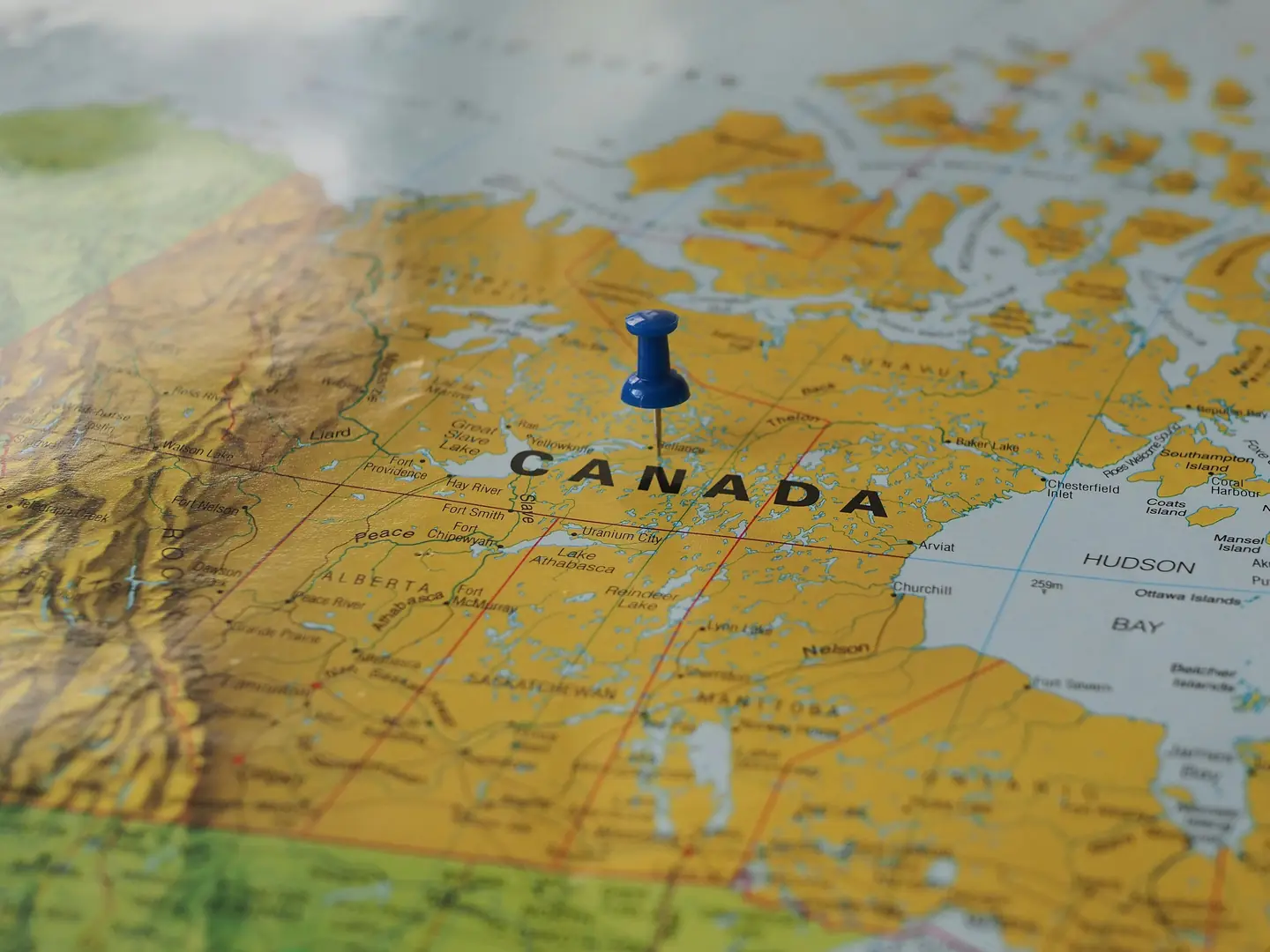
How to plan a Canada trip is one of the most common questions travelers ask when exploring this diverse and traveler-friendly country. Canada offers vibrant cities, rich culture, and breathtaking scenery—from cosmopolitan Toronto to the Northern Lights and the turquoise lakes of the Rockies. With this Canada trip planning guide, you’ll understand why the country consistently ranks among the world’s top travel destinations.
Traveling to Canada is something that should be planned and well thought, as far as knowing the entry regulations and the appropriate time of the year, budgeting and packing smart. Being large and diverse in the region, Canada requires a well-organized strategy not to miss the major highlights or waste money. An excellent Canada travel guide will make you be well organized and confident during the process of planning.
This step-by-step guide will take you through all the details you require to know about the trip namely the purpose of the trip, visas, best time to visit, routes, accommodation, budgeting, packing and last minute checks. Using this trip planning guide, you will be able to create a smooth and memorable trip that will fit your travel objectives and expectations in Canada.
Step 1 – Decide the Purpose and Duration of Your Trip
a) Choosing the Type of Trip
Canada is very attractive to all types of travelers, and therefore, determining your purpose of traveling is the key to intelligent planning. Leisure travelers tend to visit cities, food, and sightseeing, whereas adventure travelers go to the national parks, hiking trails, and ski resorts. The families are attracted to safe cities and theme attraction whereas business travelers are attracted to major urban centers. Explaining your travel style will also customize all the other decisions in this Canada trip planning guide.
b) Determining Trip Length
The time spent on a trip varies depending on the interests and destinations. The best experience is the short weekend of 5-7 days in one or two cities, including Toronto and Niagara Falls. The 10-15 days long stay will give an opportunity to explore various provinces, to mix the cities with nature. Since traveling is long, realistic time planning eliminates the rush traveling and improves the experience.
Also Read: Reasons for Canada Tourist Visa RejectionStep 2 – Understand Canada Entry Requirements

a) Visa and Travel Authorization
Majority of visitors require either visitor visa or Electronic Travel Authorization (eTA). Many nationalities will need a visitor visa, whereas visa-exempt travelers to Canada have to apply to an eTA online. The two options need valid documents, evidence of funds and intent of travel. Early knowledge of such requirements helps avoid time wastage and rushing.
b) Passport Validity Rules
Planning your trip to Canada In order to plan your trip to Canada, it is important to make sure that your passport satisfies the following basic guidelines:
- You should make sure that your passport is valid during your stay.
- No less than one or two blank pages suggested.
- Passport must be physically in good condition.
- The information should be identical to visa or eTA.
Step 3 – Choose the Best Time to Visit Canada

a) Seasonal Overview
There are four seasons in Canada and each season has a unique experience. The best time is summer (June-August) to sightsee and have festivals. The best time to ski and have fun in the snow is winter (December-February). During spring and fall seasons, there are smaller crowds, cheaper prices, and beauty. The selection of the season is one of the most important aspects of this Canada trip planning guide.
b) Weather and Activity Planning
The weather is a significant factor in the choice of activities. Outdoor activities and national parks are better in summer, as well as sightseeing of a city. Winter is appealing to the lovers of snow sports and chasers of Northern Lights. Autumn is known to have colorful leaves, whereas spring is good with wildlife. Corresponding the activities to the seasonal conditions is a guarantee of a better trip.
Step 4 – Plan Your Travel Route and Destinations
a) Popular Canadian Cities
- Toronto, cultural diversity, CN Tower, Niagara falls in the vicinity.
- Vancouver - Sea side beauty, mountains, outdoor living.
- Montreal -European allure, history, food scene.
- Calgary -The gateway to the Rocky Mountains
b) Natural Attractions
- Jasper and Banff National Parks.
- Lake Louise and Moraine Lake
- Scenic drive of icefields parkway.
- Beach ways and mountainous scenery.
Step 5 – Book Flights and Accommodation

a) Finding Affordable Flights
One of the best ways of minimizing costs is to book flights early. Better offers can be offered by flexible dates of travel, departure in the middle of the week, and prior booking. It is possible to compare various airlines and send fare alerts to ensure that possible options are affordable, particularly in high travelling seasons.
b) Accommodation Options
- Comfort and convenience hotels.
- Family and long-term vacation rentals.
- Budget and solo traveler hostels.
- Lodges near national parks
Step 6 – Plan Your Daily Itinerary
a) Sightseeing and Experiences
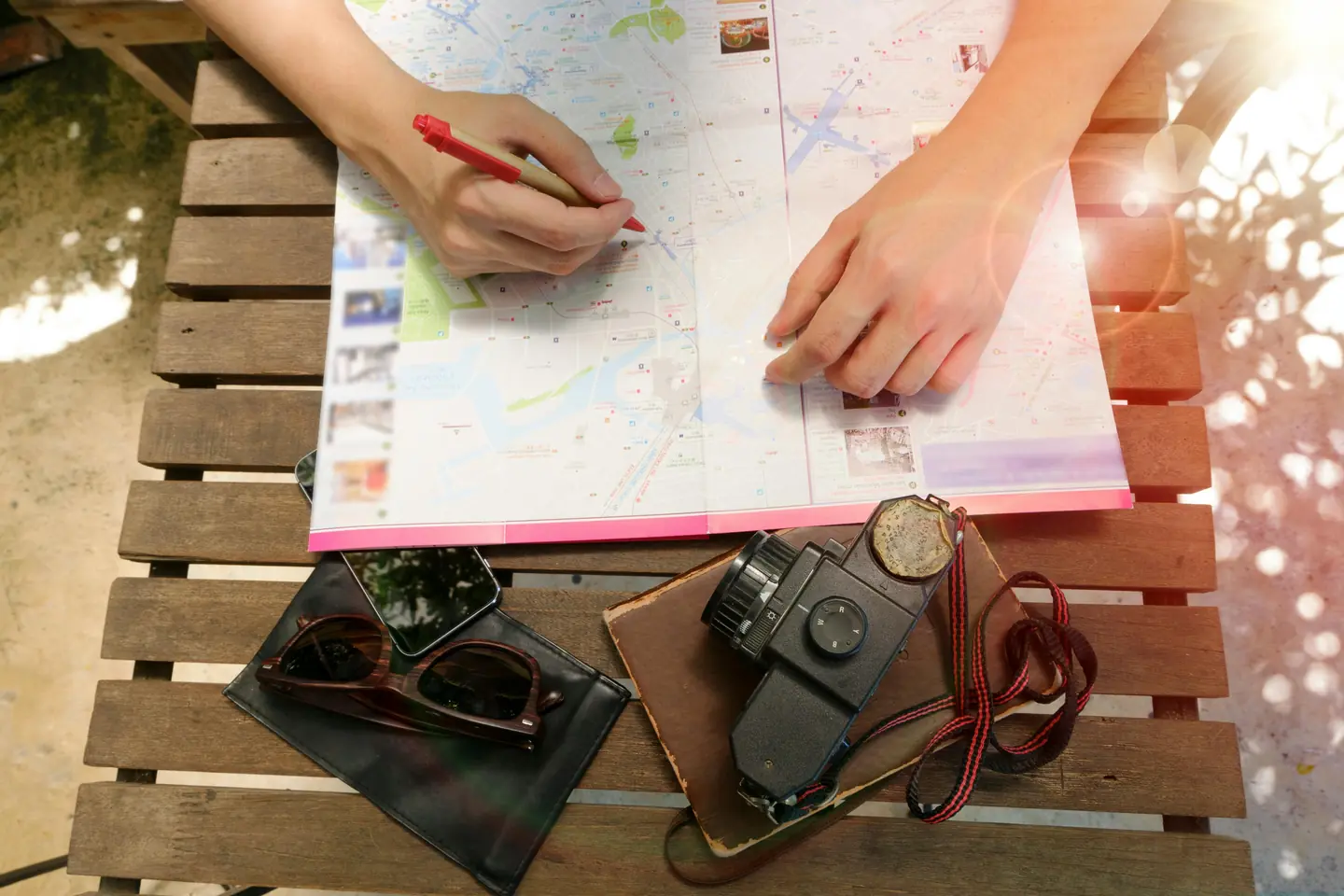
Canada is a place of a perfect combination of city and adventure. Hiking, wildlife viewing and scenic drives are added to the tours of the city, museums, food walks and cultural sites. Daily planning will allow the most time to be used and not clog schedules, which is critical to the successful Canada vacation planning.
b) Transportation within Canada
- Road transport in large cities.
- Scenic trains (Intercity trains).
- Long distance flights within the country.
- Flexible exploration car rental.
Step 7 – Prepare Travel Insurance and Health Coverage

a) Travel Medical Insurance
Travel medical insurance is necessary because healthcare in Canada is very costly to the tourists. Emergency care, hospitalization and evacuation should be covered. Most visas highly suggest insurance and it gives you peace of mind during the journey.
b) Health and Safety Tips
- Wear accordingly to the changing of weather.
- Carry basic medications
- Keep contact numbers of emergency names.
- Adhere to local safety measures.
Step 8 – Budgeting and Currency Planning

a) Estimated Travel Costs
Canada is an expensive place, yet it is not impossible with clever budgeting. The key expenditures are accommodation, meals, transport, and attractions. Budgeting the daily costs will aid the budgetary constraint and will avoid any unexpected expenses on the trip.
b) Currency and Payment Methods
- The official currency is Canadian Dollar (CAD).
- Extensive use of credit and debit cards.
- Contactless payments are ubiquitous.
- Bring a little cash in distant places.
Step 9 – Packing Essentials for Canada
a) Clothing by Season
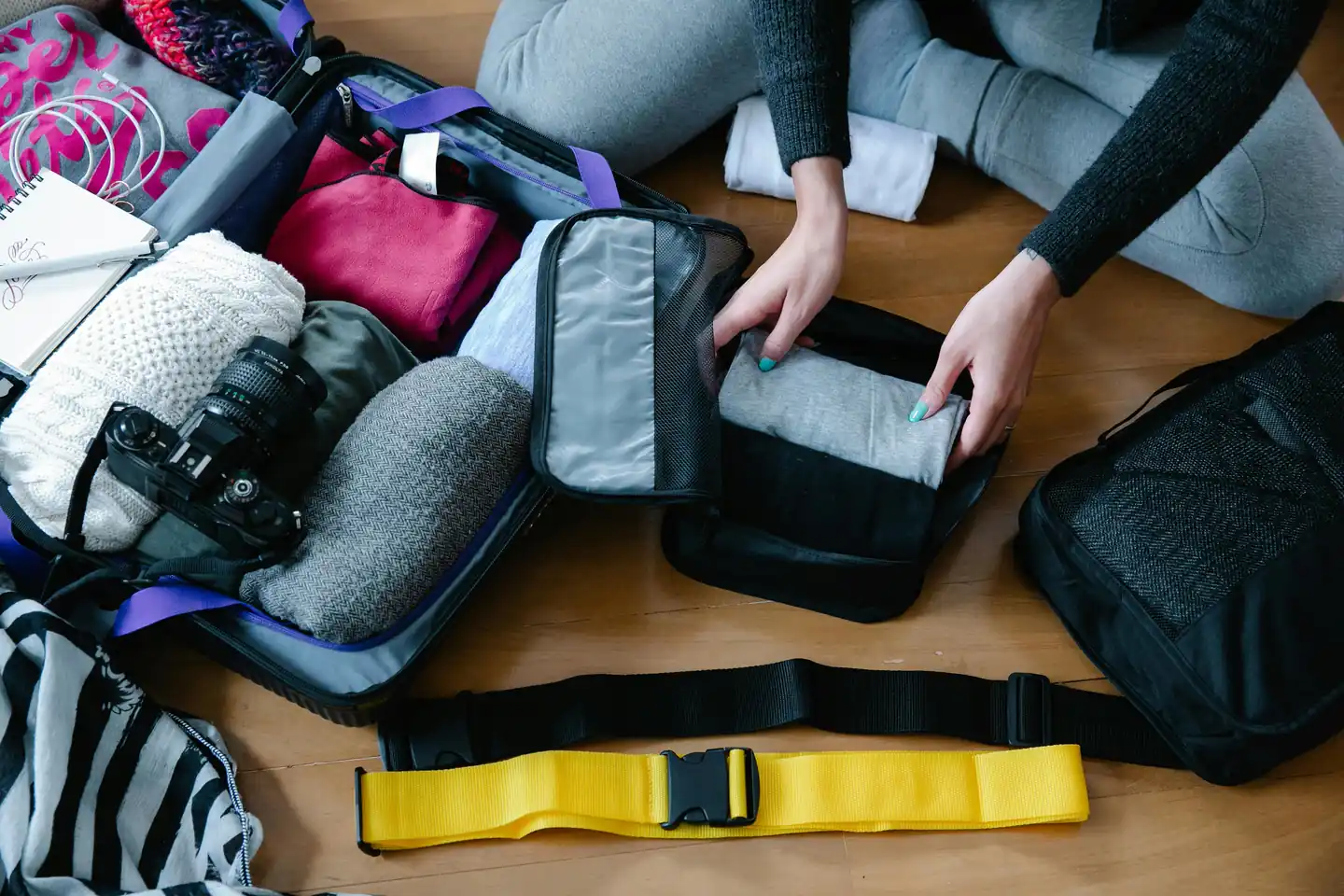
- Winter: jackets, boots, gloves of the insulated type.
- Summer Light clothing, sunscreen.
- Spring/Fall: coats and water proof jackets.
- Easy going shoes all the year round.
b) Travel Documents and Accessories
- The copies of passport, visa and insurance.
- Power adapters and gadgets
- Travel backpack or daypack
- Contact details of the emergency.
Step 10 – Final Pre-Departure Checklist

a) Document Verification
Check all your important papers such as flight tickets, accommodation, insurance, and identification before leaving. Having a physical and a digital version indicates easy accessibility and minimized stress in travelling.
b) Arrival and Immigration Preparation
- Learn the rules of customs.
- Report necessary things sincerely.
- Hold on to return ticket and accommodation details.
- Strictly follow immigration directions.
Conclusion
When a trip to Canada is divided into specific steps, it becomes easy and fun to plan. Whether it comes to the selection of the proper season and destinations, budgeting, packing, and familiarity with entry requirements, each of the stages is crucial. This Canada trip planning guide will have you well-organized and self-confident as you prepare to have a great adventure.
Well planned, you will find travelling in cities, nature and cultural heritage an easy and pleasant journey. The Canada trip itinerary allows you to organize your time and spend it in the best way possible and prevent the mistakes that occur frequently. These tips should be followed, and one should be flexible and tolerate the diversity which is what makes Canada a really memorable place.
Frequently Asked Questions
1. Do I need a visa to travel to Canada?
Then it depends on the nationality, some countries need a visitor visa, others an eTA.
2. What is the best time to visit Canada?
Summer and fall are the most popular and winter is suitable to snow activities.
3. How much budget is needed for a Canada trip?
Prices are not very high, yet average to high-end travelers are expected to spend a middle to high amount of money.
4. Is travel insurance mandatory for Canada?
Not compulsory, but strongly recommended because of the high medical expenses.
5. How many days are enough for a Canada trip?
The first-time visitors should spend 7-10 days.
6. Can I travel between cities easily in Canada?
No, through planes, trains, buses, and roads.
7. What should I pack for a Canada trip?
Seasonal fashion, papers, devices, and necessities.
8. Is Canada safe for tourists?
Yes, Canada is ranked among the safest tourist destinations.
9. Do I need international driving permission in Canada?
It is often advised where it comes to renting a car based on your license.
10. What are common mistakes to avoid when planning a Canada trip?
Lack of time management, neglecting of seasons and underestimation of distances.